The Follow-Up Machine: Seven Touches After the Estimate, Automated Humanely
Most dead estimates were never beaten — they were abandoned, by a homeowner who couldn't decide and a builder who didn't want to pester. A sixty-day, seven-touch sequence that keeps the conversation alive without a single 'just checking in.'
7 min read · July 6, 2026 · Florida Construction Media
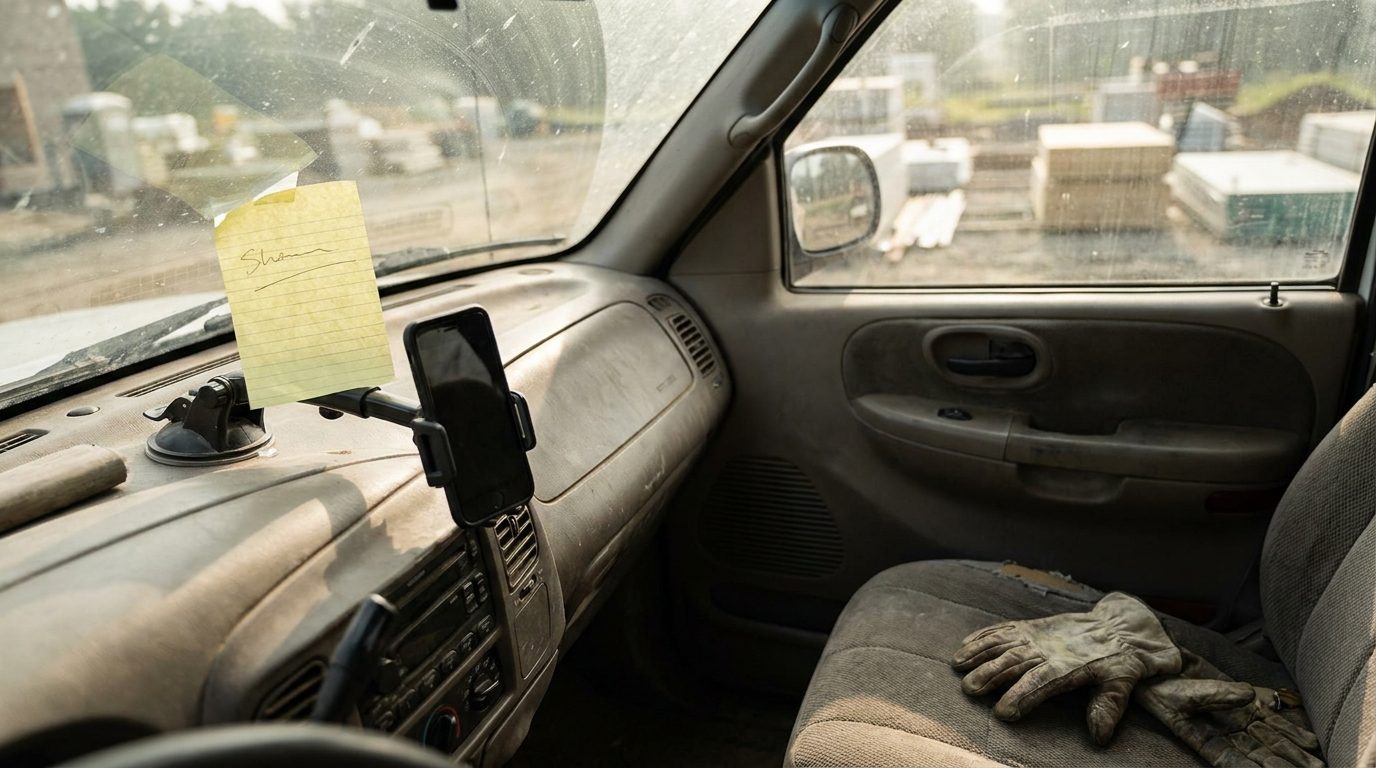
Sort last quarter's estimates into three piles: won, lost, and never answered. Builders can quote the first two from memory and have rarely counted the third — often the tallest of the three. It doesn't feel like losing, because nobody beat you. The homeowner just stopped writing back.
Those estimates rarely die on merit. They die of indecision and inbox gravity. A couple staring at a $150,000 remodel number usually isn't comparing you to another builder — they're comparing the project to not doing the project, and that takes weeks. Meanwhile your proposal sinks under the insurance renewal, the school email, the pool quote. Nobody decided anything; everybody just stopped.
Why good builders go quiet too
The follow-up problem isn't a knowledge problem. It's that following up feels terrible. Calling about a three-week-old estimate is asking twice for something you already asked for once, and nobody starts a construction company because they enjoy asking twice. Pride finishes the job — we bid it, the ball's in their court — and the estimate sits in the column marked "waiting on client" until someone quietly deletes it in the fall.
All of that happens on your side of the table. On the other side, a homeowner alone with a six-figure decision is not hoping to be left in peace — they're hoping for a reason to keep the conversation going that doesn't require admitting they're stuck; every useful touch is relief. Silence reads as indifference, and a builder who vanishes after handing over the number looks like one who'll vanish in month four of the build. Follow-up isn't pestering. It's a free preview of your project communication, and it's being graded as one.

Seven reasons to stay in the conversation · Illustration: Florida Construction Media
The seven touches, on the calendar
A word about the number. Sales folklore says most deals close after the fifth touch — or the seventh, or the twelfth, depending on the seminar. None of those figures traces to a study anyone can produce; treat them as folklore. Seven isn't magic. It's how many genuinely useful things you can say in sixty days without crowding anyone, spaced tight at the start and stretching as the weeks pass.
Day 1 — the recap, with their estimate on video. A short email restating scope in three lines, plus the piece that does the real work: a five-minute video walkthrough of their own estimate. Screen-record the proposal and talk — what each number buys, where the judgment calls sit, why the allowances are sized that way. Nobody else who bid the job will do this, and it gets replayed at the 9 p.m. kitchen table for the spouse who missed the walkthrough.
Day 4 — the project that rhymes with theirs. One finished job, not a portfolio: same scope, similar house, similar money, and a two-line note — this one started where yours is now. You're letting them watch the movie of their own project ending well.
Day 8 — someone else's voice. A short testimonial from a client whose job looked like theirs, one naming the fear your prospect is carrying — the dust, the budget creep, the schedule. Your claims are marketing; a past client's are evidence. Building that library is its own system.
Day 14 — the objection, answered without being asked. By two weeks the hesitation has a shape, usually money, timing, or living through construction. Send the piece that answers theirs — the honest cost-drivers explainer, the how-we-phase-around-your-family walkthrough. The test: it would still be useful if they never hired you.
Day 21 — the honest check-in, with an easy out. Short, plain, written by you personally — more on that below. "No pressure from this end; decisions this size take weeks. If you've gone another direction, tell me and I'll close the file, no hard feelings. If you're still weighing it, glad to walk the numbers again." The easy out is the entire move: permission to say no is what makes the rest read as help instead of pursuit.
Day 35 — the plans-change note. If they haven't moved by now, something shifted — a roof outranked the kitchen, an insurance renewal landed, hurricane season rearranged the year. Say so without accusation: plans change, the estimate holds until a stated date, and past it you'd rather re-price honestly than leave them carrying stale numbers.
Day 60 — the handoff to the long game. The file closes and they join the quarterly keep-warm list, the same newsletter logic that powers a cost guide: every few months, one finished project, one honest cost update, one thing worth reading.
Spec box: the machine on one page.
- Day 1 — recap email + video walkthrough of their estimate.
- Day 4 — one finished project story that rhymes with theirs.
- Day 8 — client testimonial matched to their likely fear.
- Day 14 — useful answer to their likeliest objection.
- Day 21 — personal check-in with an easy out; the owner writes this one.
- Day 35 — plans-change note; offer to re-price, no penalty.
- Day 60 — file closes; quarterly keep-warm list from here on.
Three rules keep it humane
Every touch gives value or an exit; the best give both. A message that exists only to exist — just checking in, circling back, bumping this up — teaches the reader to skip your name. And nothing in the sequence asks whether they've decided: the decision is theirs, and the sequence assumes it.
The third rule is structural. If you sell a named process — site walk, estimate and video review, decision call whenever they're ready — this isn't follow-up at all. It's step two, continuing on schedule. The same seven emails that feel like chasing from a nameless contractor feel like process from a company that has one, and that reframe does more for your willingness to hit send than any software.
What runs on rails, and the one note you don't automate
Six of the seven touches should be automated, because the honest alternative is that they don't happen. Estimate season is build season; any sequence that depends on you remembering day 14 dies the first week two slabs pour at once. Write the templates once, leave two lines at the top for a sentence about their project, and let the calendar send them. Any CRM with sequences runs this; so does a spreadsheet and seven reminders. The plumbing is a detail. The assets are the machine.
Two human overrides. The day-21 note comes from the owner's own address and mentions something real from the walkthrough — the mudroom she asked about, the setback question he raised. One unmistakably human message in the middle makes the sequence read as attention rather than machinery. And everything stops the moment they reply, sign, or decline — nothing undoes sixty days of care like an automated note landing two days after a phone call. If your tool can't halt on reply, run the list by hand until you have one that can.
When the answer is no — and when it's nothing
"We went another way" deserves a reply within the day: thank them for telling you straight, wish them a good build, and mean it. No autopsy, no rebuttal of the winning price — one optional line asking what tipped it, and the door left open for the mid-build question or the next project. Then they join the same quarterly list, with a clean way off it.
That isn't charity. The family that gave someone else the kitchen still owns the original bathrooms; in our experience, remodel clients re-enter the market more reliably than almost any other buyer, and the gracious loser gets the second at-bat. The ones who never answered anything in sixty days weren't rude; they were never ready. The keep-warm list holds them, without cost or resentment, until the year they are.
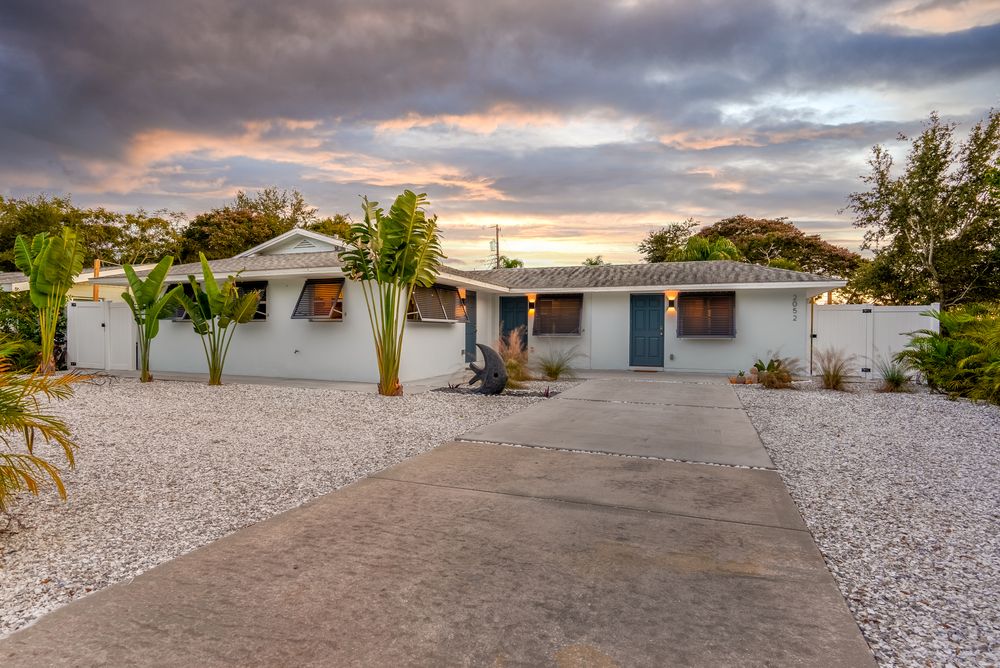
The estimate that deserved a second call · Sarasota · Photo: Stellar Media Collective
Questions builders actually ask
Seven messages in sixty days — when do I become the contractor who won't go away? Annoyance doesn't scale with volume; it scales with emptiness. Two contentless circling-backs irritate more than seven messages that each carry a video, a story, or an exit. And day 21 hands them a no-hard-feelings off-ramp — anyone who takes it was never signing.
Do I really have to record a video for every estimate? Five minutes, one take, no editing. If you can walk a couple through numbers at a kitchen table, you can do it over a screen recording. The point isn't production value. It's being the only bidder who explained the number instead of defending it.
What does this cost to set up? Mostly a weekend. The templates are an afternoon, the testimonial and project-story assets are worth building anyway, and a spreadsheet runs the sequence while you decide on software. The expensive version of this problem is the one you have now: paying to generate estimates and leaving them to die unattended.
Published July 6, 2026. Disclosure: this publication is owned by Stellar Media Collective, a Sarasota studio that produces proposal videos, project stories, and testimonial libraries for builders — the assets this sequence sends; the machine works the same whether a crew films them or you do.