The 3-Step Plan: Why 'Call for a Free Quote' Loses to a Named Process
A homeowner reading 'call for a free quote' hears an open-ended sales visit with no exit. Name your process in three steps and the first move becomes something a nervous stranger can actually say yes to.
7 min read · July 6, 2026 · Florida Construction Media
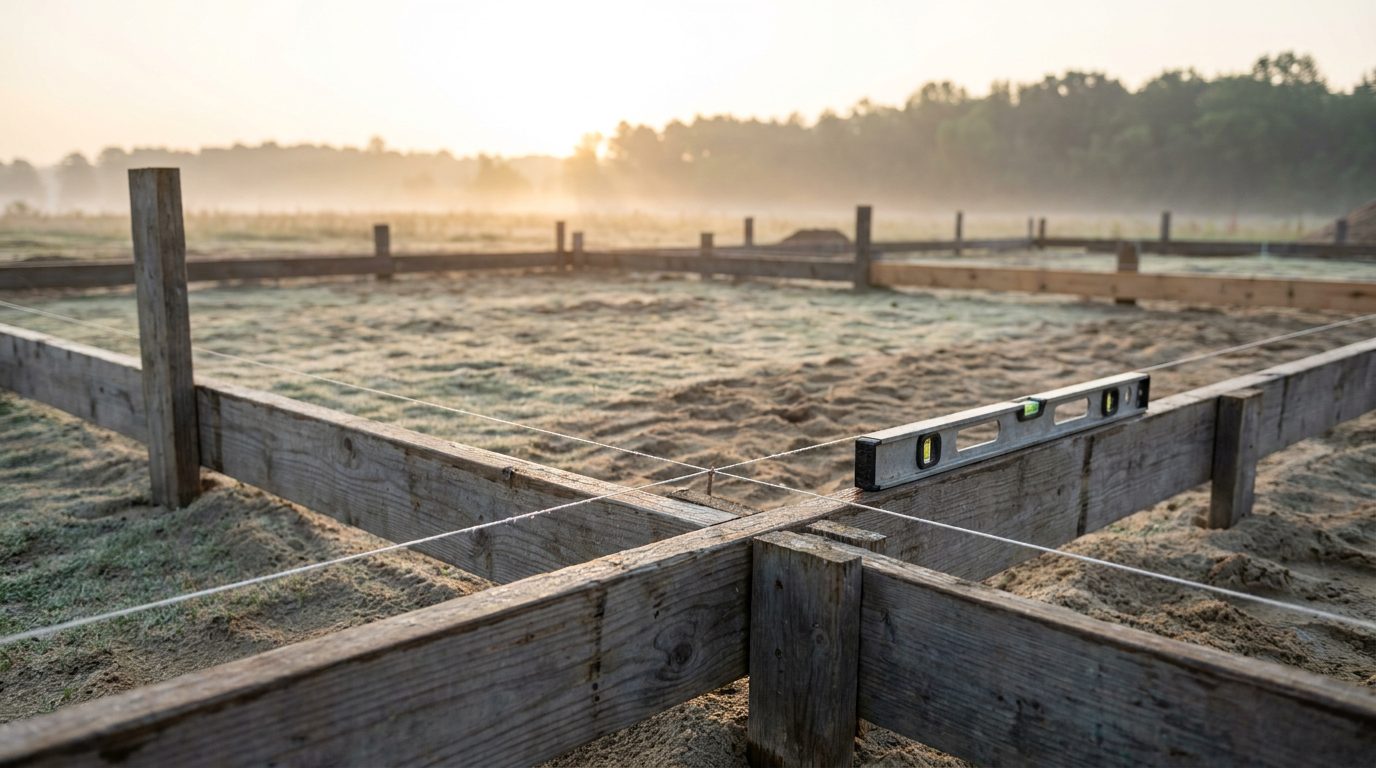
Put ten Florida contractor websites side by side and nine of them end on the same button: Call for a Free Quote. The builder reads that line as generosity — costs nothing, obligates nobody, come on in. The homeowner reads it as a blind commitment: a stranger in the kitchen with no agenda, no end time, and no graceful way out once he's leaning on the island running numbers out loud. The quote may be free. The visit, as far as they can tell, is not.
They've all heard the stories — the estimate that turned into a three-hour close, the price that was only good "if you sign tonight," the follow-up calls that started at eight the next morning. "Free quote" answers none of that. It names the price of the visit, not the shape of it — and the shape is what buyers are afraid of.
The fix isn't a friendlier button. It's a named process: three steps, written down, said the same way every time.
Nobody volunteers for an unknown
A custom home, a full reroof, a wall of impact glass — these are purchases most people make once or twice in a lifetime, at prices that would have them researching a dishwasher for three weeks. You've run your process hundreds of times. They have never seen it once. Every blank in that gap gets filled with the worst story a coworker ever told them, which is why "just call us" underperforms no matter how good the reviews sitting under it are.
A named plan shows the whole road before anyone takes a step. It also changes the ask. "Call for a free quote" asks for the sale at hello, because the buyer can't see where the call ends. A three-step plan makes step one visibly step one: saying yes to a forty-five-minute walk is not saying yes to the job, and the buyer can see that on the page.
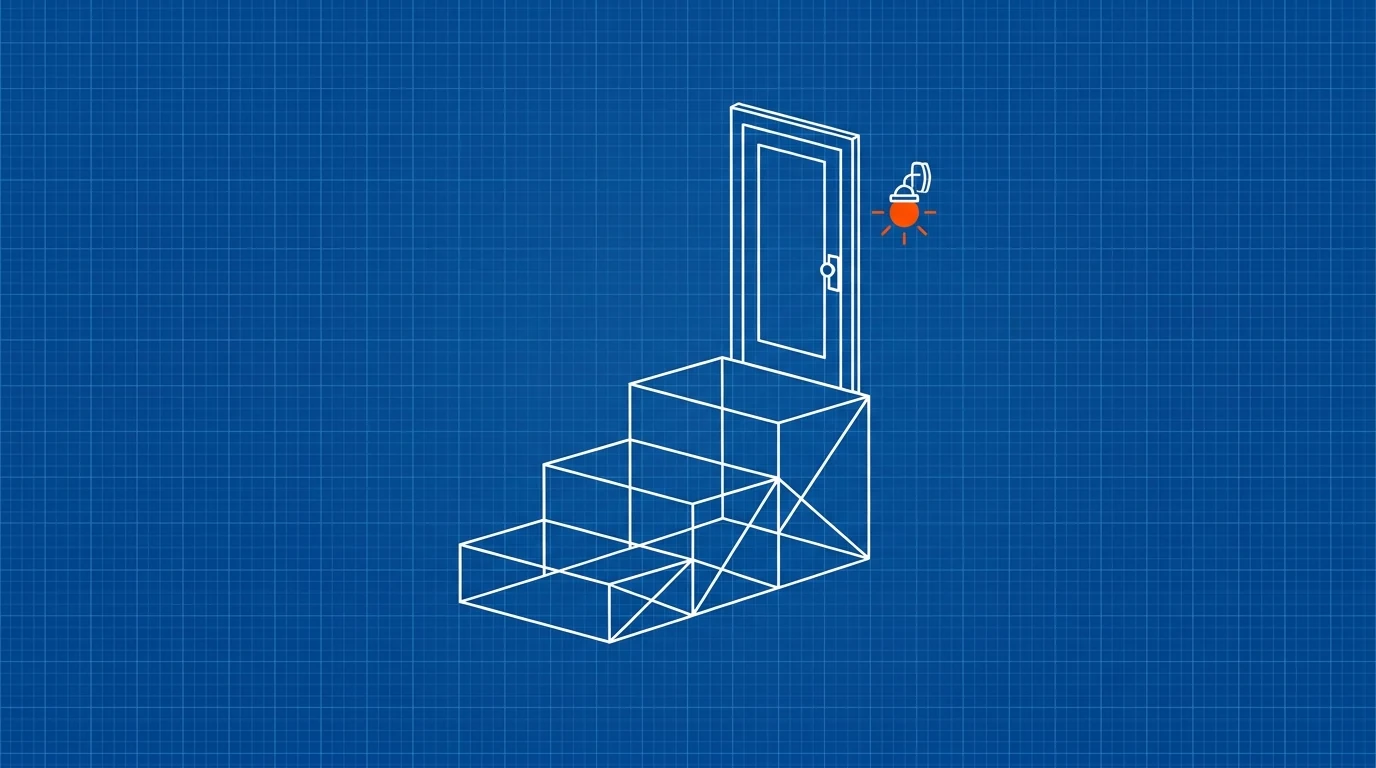
Three steps a stranger can see from the street · Illustration: Florida Construction Media
Name it, then say it the same way every time
A working plan has three steps, each named for something the client does or gets. For a builder or remodeler, the shape is this:
The Site Walk → The Plan & Number → The Build Calendar. Forty-five minutes on the property. Then a written scope with one number on it. Then a slot on the schedule with a start week attached.
The same skeleton fits any premium trade once the vocabulary is yours. A roofer might run The Roof Report → The Line-Item Number → The Dry-In Date: photos of the deck, flashing, and penetrations; a bid priced line by line so nothing hides inside "materials and labor"; then a committed date the house is watertight. An impact-window company could work The Opening Count → The Spec & Price → Install Week — every opening measured and mapped, product and wind-zone rating priced per opening, one scheduled week of installation instead of a rolling maybe. A kitchen remodeler: Measure Day → Design & Number → Demo Date.
None of these invent anything. You already walk sites, already write numbers, already schedule starts. The work is naming what you already do so a stranger can see it — then never describing it two different ways again.
Spec box: the plan-naming checklist. Lead each step with a verb, or a noun concrete enough to act like one — walk, count, price, schedule. Hold it to three steps; if you need four, fold two together, because this is a map for a buyer, not a Gantt chart for your PM. And name a client outcome in every step — a report, a number, a date. A step named for your paperwork ("pre-construction review") is a step named for nobody.
A named plan reads as proof, the same way a permit set does
A homeowner can't read a structural drawing, and they trust a stamped permit set anyway — because the stamp is evidence the work passed in front of someone whose job is catching problems before the first truck rolled. A named process does the same work at the sales stage. Nobody writes a three-step plan for something they've done twice. The name itself is evidence of repetition — a groove worn by volume, not a pitch improvised in the driveway.
Marketers call this "the plan," and StoryBrand hangs a whole chapter on it. Builders don't need the theory. Visible process, lower perceived risk, easier signature.
One condition: the proof only holds if the words hold. The plan on the website, the plan in your mouth on the walk, the plan on paper in the folder — same names, same order. The same plan showing up in three places reads like an operation. Three different descriptions of one process reads like a guy winging it.
Put the plan where buyers already look
Three placements, no budget required.
On the website, as its own section. Three numbered blocks, one sentence each, on the homepage and every service page — not buried on About. Then change the button under it: "Book the Site Walk" asks for less than "Get a Free Quote," and asking for less is the entire strategy. The button should sell step one, not the project.
As one sixty-second video. The owner, on camera, walking the three steps in plain words — one take, work shirt, job site behind you. A homeowner who has watched you describe the process has already rehearsed doing business with you. Setups that survive contact with a camera-shy builder are in the owner-on-camera scripts.
As a printed one-pager in the estimate folder, with blanks where the dates go, filled in by hand at the kitchen table. When the paper matches the website word for word, the website stops being marketing and starts being documentation.
Design step one so a stranger can say yes
The plan lives or dies on step one, which has four rules.
Keep the commitment low. No deposit, no signature, nothing to cancel. Step one is a visit, not a ceremony.
Time-box it out loud. "The Site Walk takes forty-five minutes" beats "we'll come take a look," because the open-ended visit is the exact ambush they're bracing for. A stated end time is the cheapest trust move on the page.
Say where free ends. The walk and the ballpark range cost nothing; full drawings and engineering do not. Drawing that line in public raises trust instead of lowering it — vague free is the free people distrust.
Send them away with something. Decide what a homeowner keeps even if they never call back: the written range, the roof report, a short list of questions they should ask whoever they do hire. "Even if you don't hire us, you'll know exactly what your roof needs" is a sentence almost nobody in the trade is willing to say, which is exactly why it works.
The plan keeps working after the signature
A named plan doesn't retire at the contract — step three changes jobs. For most premium builders, "The Build Calendar" comes with a queue in front of it, and a client who knows they're on the calendar for an October start waits differently than one who signed and heard nothing for six weeks. Keep the plan's vocabulary running through the wait — updates tagged to the step the client is standing in — and the quiet months read as motion instead of silence. The cadence for that stretch is its own playbook: what to send a signed client while they wait.
The last benefit is the least comfortable one. A published plan is a promise with your name on it. If the site says a written number inside ten days, the office has to produce one. That constraint is the point: a process you're willing to print is a process you're forced to keep, and buyers can tell.
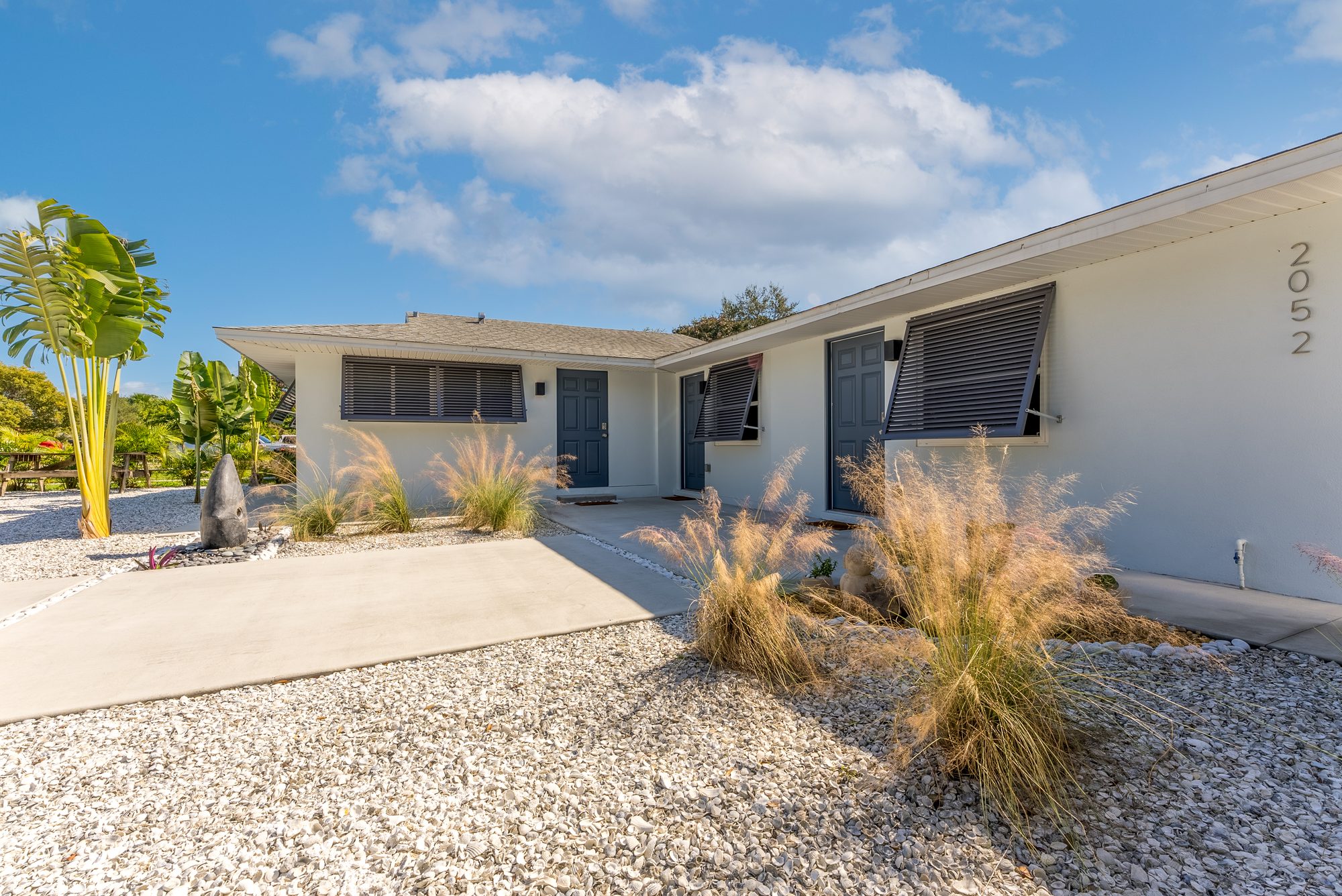
Step one starts at the curb · Sarasota · Photo: Stellar Media Collective
Questions builders actually ask
Doesn't a named three-step plan make us look like a franchise? Stock language does that — "world-class service excellence" reads like a binder from corporate. Steps named in your own words, shot on your own job sites, read like you, only organized. The franchises borrowed this discipline from good independents, not the other way around.
Our design-build process really has nine phases. Isn't three dishonest? Three is the map; nine is the terrain. The plan exists to walk a nervous stranger to a first meeting, not to document your operation — the nine-phase version belongs in the pre-construction packet, after step one has done its job. The three steps have to be true. They don't have to be complete.
Won't a free, time-boxed site walk attract tire-kickers? Some. The time-box caps what a bad lead can cost, and a two-line form in front of the booking calendar — address, budget range, timeline — screens most of the rest. Then run the comparison honestly: forty-five bounded minutes against the unbounded hours you already spend chasing bids that start with a shrug on the phone.
Published July 6, 2026. Disclosure: this publication is owned by Stellar Media Collective, a Sarasota studio that builds these sales-and-content systems for builders and premium trades — the playbook above works whether or not you ever hire one.