The Rays Ballpark Is a $2.3 Billion Job With a 2029 Deadline. What It Does to Tampa Bay Crews and the Small Jobs Around It
Funding is approved, AECOM Hunt Turner is the builder, and the schedule works backward from opening day 2029. For a Gulf Coast builder, remodeler or trade, the stadium is less a bid than a three-year pull on the same crews you need.
4 min read · October 16, 2026 · Florida Construction Media
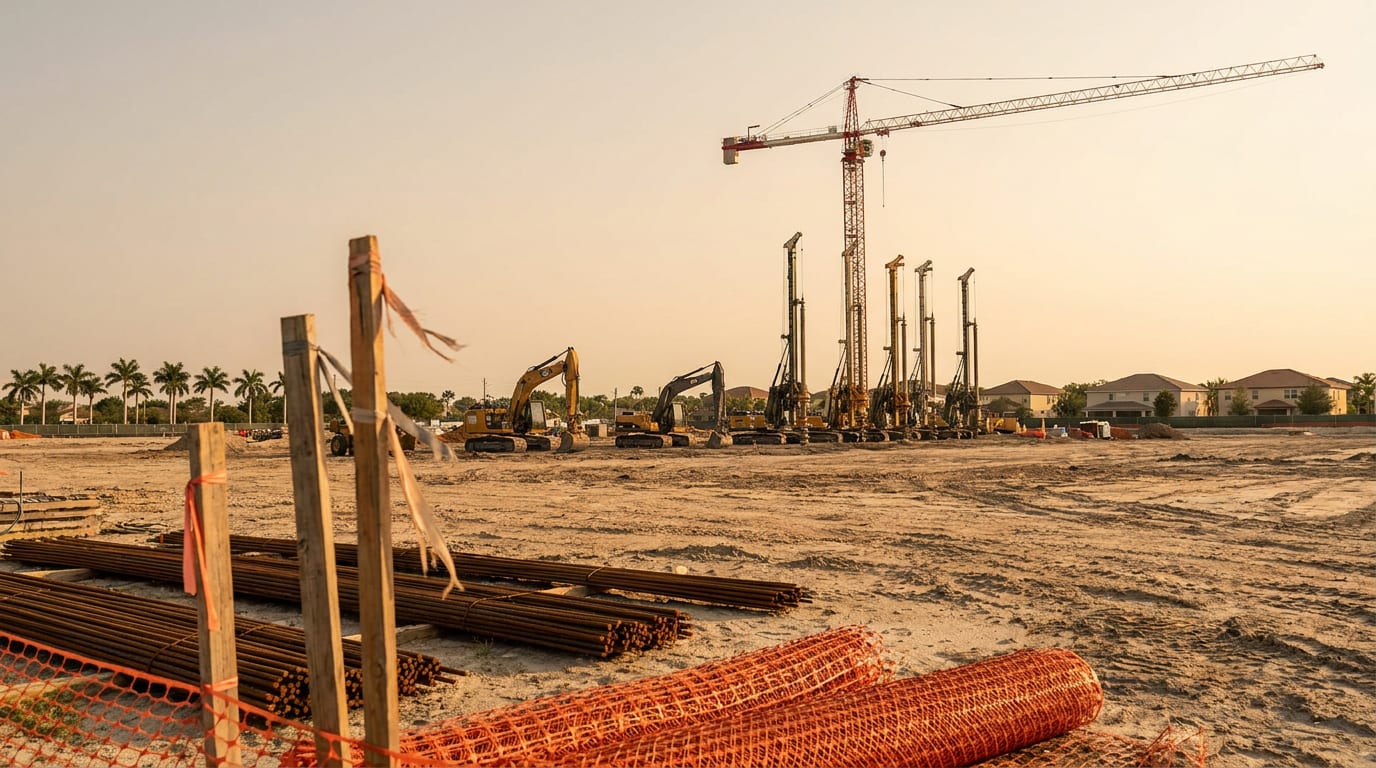
The story
The Tampa Bay Rays are building a new home in Tampa, and the deal is done. Hillsborough County commissioners approved it 5-2 on August 28, a day after Tampa City Council passed its side 4-3. WUSF reports the county's share is capped at $796 million and the city's at $80 million for infrastructure. The Rays cover more than $1.3 billion and all cost overruns.
The ballpark goes on the Dale Mabry campus of Hillsborough College, near Raymond James Stadium. The Business Observer puts the price at $2.3 billion, with $876 million from the city and county together, and a 2029 opening. The same report says the Rays leased about 15,000 square feet at 1111 N. Westshore Blvd. for a ballpark experience center. Work on that space was expected to start in October, with a target of early 2027. The paper also says stadium construction should begin soon, though "logistical hurdles" remain.
The builder is picked. Hoodline reports the Rays chose AECOM Hunt Turner over three other teams, with local firm Horace Construction on the team. The ballpark plans call for at least 28,000 fixed seats across three levels. The team has said it will use local workers, and it has held outreach events for local contractors.
The calendar is tight. Ballpark Digest lays out the steps: site demolition in December, foundation and seating-bowl work in March 2027, opening day on March 1, 2029. The Rays' lease at Tropicana Field ends after the 2028 season, so the date cannot slip far. The college rebuild is a separate project on the same land, and students move into temporary classrooms while it happens.
One piece is still open. The community benefits agreement, which covers local hiring, small-business work and minority- and women-owned firms, has no dollar figure yet. On September 11 the Tampa CRA board moved its review to November 12. That does not undo the funding deal.
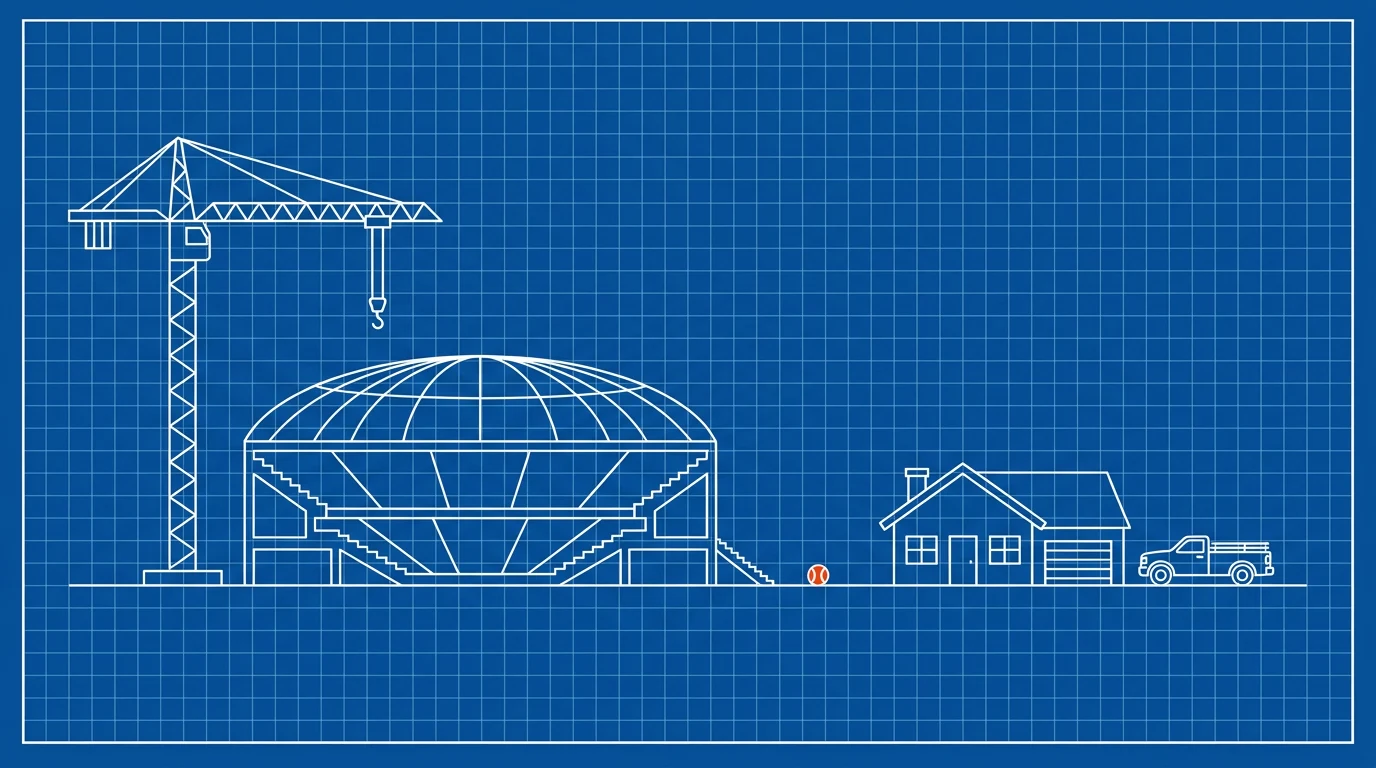
One giant job, a lot of small ones next to it · Illustration: Florida Construction Media
What it means for you
Most readers here will never touch the stadium. It still touches you.
It is a long pull on the same people. A job this size with a fixed opening day runs on overtime and steady paychecks for about two and a half years. Concrete finishers, ironworkers, electricians, plumbers, HVAC techs, drywall and paint crews: the stadium needs all of them, and it will pay to keep them. Tampa Bay was already short on hands. We covered that in Tampa's permit lead and the fight for crews. The stadium does not create that problem. It makes it last longer.
Subs will get choosier, not just pricier. When a sub can keep a crew busy on one big job for two years, a three-week bathroom or a single pool deck looks like more hassle than it is worth. Expect slower callbacks, longer lead times and bids padded for risk on small residential work in Hillsborough and Pinellas. Some of that will reach Manatee and Sarasota as crews follow the work up I-75. This is a mechanism, not a forecast. Nobody has published numbers on it yet, and we will not make some up.
The money that moves first is not the ballpark. Demolition, sitework, temporary classrooms and the Westshore experience center come before the bowl. Then come the rest of the district plans: housing, shops and a new college campus. Each one is a separate job, often with a separate builder. That is where a mid-size local firm has a real shot.
Hiring rules are still being written. Until the benefits agreement has numbers, local and small-business targets are a promise, not a contract. If your firm could qualify, now is the time to register and be ready, not after the bid lists close.
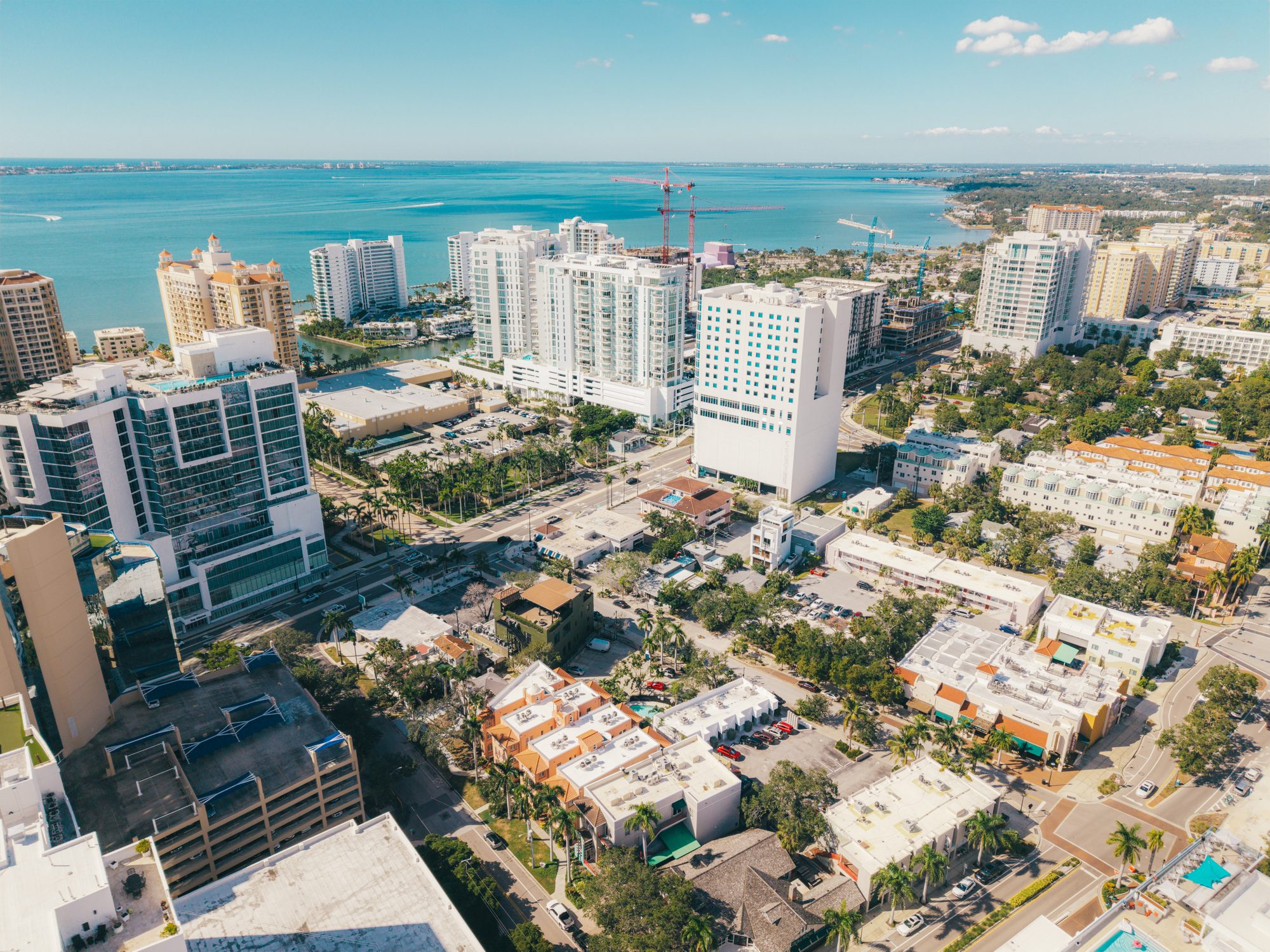
Cranes up the coast pull from the same crews · Downtown Sarasota · Photo: Stellar Media Collective
The play
- Subs who want a piece: show your process before AECOM Hunt Turner sets its lists. A construction manager buys down risk. Short videos of your crew on a busy site, with safety, staging and cleanup in plain view, answer that faster than a brochure. Build it like a developer-facing portfolio, not a highlight video. The Pilatus campus at SRQ works the same way on a smaller scale.
- Builders and remodelers who will not bid: lock in your crews now. Your best subs will get stadium offers. Pay on time, schedule cleanly and give them steady work on your side. Then tell clients the truth about lead times before they hear it from someone else.
- Show the crew, and the hires will follow. The stadium will pull workers with steady pay. You win the ones who want more than that: a clean site, real teaching and a boss who knows their name. Film that, with their OK, and put it on your careers page.
- Write for the people moving in. A ballpark district with housing brings new owners who know no one locally. A plain page on what it costs to remodel near Westshore or Drew Park, kept current, is something they will find when they search.
The bowl is due in early 2029. Your crews will feel it well before that.
Briefing published October 16, 2026. Funding, schedule and contractor details are from the sources linked above, checked October 16, 2026, and will change as the benefits agreement and construction move forward. Florida Construction Media is published by Stellar Media Collective, Sarasota, which makes the kind of crew and process videos described here for builders and trades.