Video Marketing for Window & Door Contractors: Impact-Rated Content for a Hurricane State
Impact windows sell on fear, finance, and proof. Most contractors film none of the three. Here is the content plan that does.
8 min read · July 6, 2026 · Florida Construction Media
Most trades have to manufacture a reason for a homeowner to care. Impact window and door contractors do not. The reason arrives every June, sits in the Gulf for five months, and occasionally takes the power out.
What makes this category different: impact windows are one of the very few products where fear, finance, and proof all meet in the same purchase. The buyer is genuinely worried about a real threat. The buyer's insurance situation gives that worry a dollar figure. And the product itself — laminated glass that holds together when something hits it — demonstrates on camera better than nearly anything else you can install on a house. Roofers get one of those three. HVAC gets maybe half of one. You get all three, and most of your competitors are wasting it.
Where fear, finance, and proof meet

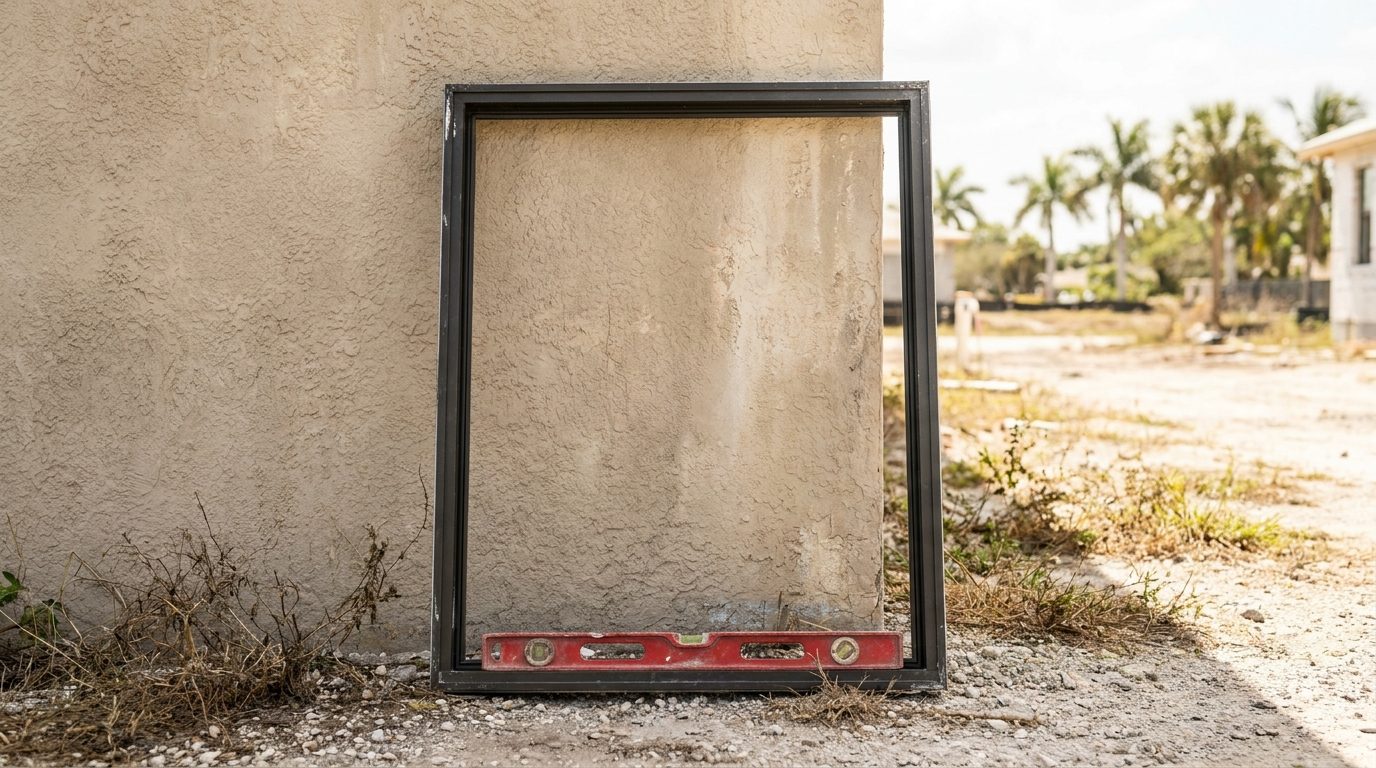
The product is protection; the content is proof · Illustration: Florida Construction Media
Impact window buyers research hard. A whole-house package is a five-figure decision that homeowners sit with for months, reading, watching, and comparing. They want to know what impact glass actually is, whether it beats shutters, what the install involves, what it costs, and whether the company quoting them knows what it is doing. Every one of those questions is a video you can make once and let work for years.
The finance side is just as real. Florida premiums make opening protection a financial conversation, not just a safety one. Wind-mitigation inspections exist precisely to document features like protected openings, and homeowners have heard — from neighbors, agents, half-remembered news segments — that impact windows can matter to their policy. Most of what they have heard is fuzzy. The contractor who explains the landscape clearly, without promising savings, becomes the trusted source before the sales call happens.
And then there is proof. Florida runs a product-approval system for windows and doors: units sold for opening protection are tested, rated, and documented. The difference between a rated assembly and an ordinary window is physical, visible, and filmable. Your product carries its own evidence. Use it.
The demo: film what the glass actually does
Start with the pillar unique to your trade — demonstration content. When laminated impact glass takes a hit, the interlayer holds the broken glass together instead of letting the opening fail. That is the entire value proposition, and it can be shown in ninety seconds.
Film it honestly. If your manufacturer or your shop can stage a legitimate strike test on a sample unit, film that. What you should not do is theatrics — swinging a hammer at a customer's installed window, or implying the glass is indestructible. It is not, and the researched buyer knows it. The claim is not "nothing gets through." The claim is "the opening stays intact, the envelope holds, and the broken glass does not end up across your living-room floor." That framing beats theater because it sounds like an installer talking rather than an ad.
Pair the strike footage with a quiet companion video: a cross-section of a laminated unit next to a standard one, in your hands, explained in plain language. What the interlayer is. Why frame and anchoring matter as much as the glass. What the rating labels mean in general terms. No jargon dump — a contractor holding the product and telling the truth.
Install craft: the anti-lowball play
The second pillar separates you from the guy quoting thirty percent less. Every impact window contractor in Florida competes against a lowball bid, and the lowball bid almost always cuts the same corner: the installation. The unit is only as good as its anchoring, flashing, and integration with the wall around it. A rated window installed badly is an unrated hole with expensive glass in it.
So film the install. Not a montage with music — the actual craft. The old unit coming out and what the crew found behind it. The prep on the rough opening. The anchoring pattern and why. The waterproofing at sill and jambs. The level check and the operation test. This content shows the homeowner what a correct install looks like, and it quietly arms them with the questions that sink your cheaper competitor. "How will you flash the sill?" is a question a homeowner only asks after watching your video, and one the lowball crew cannot answer well.
Spec box: The install-day shot list. One wide establishing shot of the house and staged units. The old window coming out, with a close-up of whatever removal reveals. The prepped opening before the new unit goes in. Hands setting, shimming, and checking level — get the bubble on camera. The anchoring, close enough to see fastener placement. Sealant and flashing at sill and jambs. The rating label before it is obscured. Operation test: open, close, lock. One finished exterior from the street, same angle as the opener. Thirty minutes on a phone gimbal covers all of it.
The insurance and mitigation lane
The third pillar is literacy content, and it demands discipline. Florida homeowners know wind-mitigation inspections exist and that opening protection is among the things inspectors document. What they do not know is how any of it works, and that gap is where you earn trust — or lose it.
The rule: educate, never promise. You are not an insurance agent, and a video that implies "install our windows and your premium drops by X" will eventually make you a liar. What you can do is explain the landscape in general terms: what a wind-mitigation inspection is, why documented opening protection is one of the features it records, and why the homeowner's own agent is the person to ask about their policy. That framing — here is how the system works, here is the question for your agent — positions you as the straight shooter in a category with plenty of overpromisers.
The same discipline applies to product approvals. Explain generally that impact-rated products in Florida carry documented approvals and ratings, and that homeowners can ask any bidder to show the paperwork for the exact units being quoted. Do not recite code sections on camera. The point is not that you memorized the book; it is that your paperwork is in order and the other bidder's might not be.
Price content, seasonality, and the whole-house proposal
Publish price content. Real numbers — as honest ranges with the drivers that move them. A page and companion video titled "what impact windows cost per opening in Florida" will outrank and outconvert every competitor hiding behind "call for a quote," because it answers the question every buyer types in first. Give your actual range per opening and per whole-house package, then explain what moves the number: opening size and count, frame material, second-story access, wall construction, what the removal uncovers, coastal exposure. You are not committing to a price. You are proving you have nothing to hide.
Then run the calendar. The questions spike when the forecast maps show up in May and June, but the projects — with lead times on custom units — get signed in the off-season by homeowners who researched early. Your calendar should feed both, and the framework in the hurricane season content calendar maps directly onto this trade: education in the quiet months, urgency-adjacent answers in the loud ones, never a countdown clock over a satellite image.
If you work the coasts or the islands, the clientele changes and the content should too. Barrier-island and Keys homeowners are often buying the top of the product line, dealing with logistics and exposure inland buyers never think about, and comparing you against fewer, better competitors. The dynamics in building on the Keys apply almost verbatim to coastal window work: proof of local experience is the whole game.
And when the estimate goes out for a twenty-window package, do not let a PDF carry a five-figure ask alone. A short proposal video — you, on camera, walking through what you saw at the house, what you are recommending and why, and what install day looks like — is the difference between a quote and a relationship. The format is in the proposal video playbook, and no trade benefits from it more, because no trade's proposals carry more fear and finance in the buyer's mind at signature time.
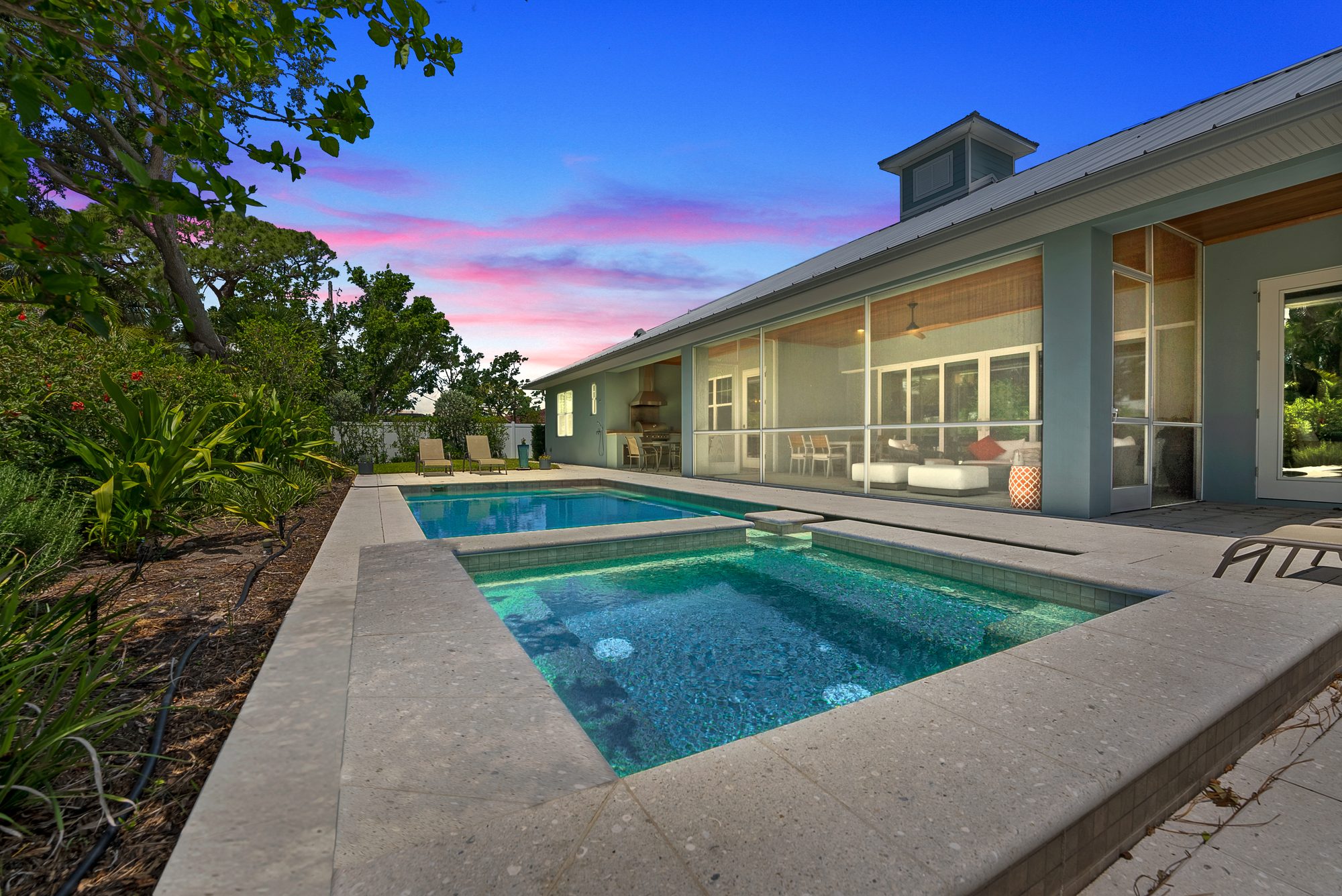
Glass at dusk, rated for the season · Venice · Photo: Stellar Media Collective
Questions builders actually ask
Can I film a strike test myself, or is that asking for trouble? Film what is real and yours to film. A manufacturer sample panel or a shop display unit is fair game; a customer's installed window is not, and neither is footage implying the glass cannot fail. If your manufacturer has formal testing footage, ask about using it with attribution. The honest version outperforms the stunt version anyway.
How do I talk about insurance without getting burned? Never name a savings figure, never promise an outcome. Explain that wind-mitigation inspections exist, that opening protection is among the features they document, and that the homeowner's own agent is the only person who can say what applies to their policy. If a homeowner presses for a number, the on-camera answer matches the in-person one: "Ask your agent — and here is the question to ask."
We are installers, not videographers. What is the minimum viable version? One phone, one gimbal, and the spec-box shot list on every install for a month. That builds the install-craft library. Add one sit-down afternoon to film the cross-section explainer, the price-range video, and the mitigation-literacy piece. That is a functioning content engine for this trade — three evergreen pillars plus a weekly install clip — before you spend a dollar on production.
Published July 6, 2026. Florida Construction Media is produced in partnership with Stellar Media Collective, a video production studio in Sarasota that works with builders and premium trade contractors across the Gulf Coast.