Federal Flood Insurance Runs Out December 11. What an NFIP Lapse Does to Gulf Coast Closings and Your December Schedule
The National Flood Insurance Program is funded to December 11, it has lapsed twice in the past year, and while it is lapsed it cannot write a new policy. For a Gulf Coast builder with a spec house in a flood zone, or a remodeler whose client is refinancing, that is a scheduling problem you can solve now.
5 min read · October 22, 2026 · Florida Construction Media
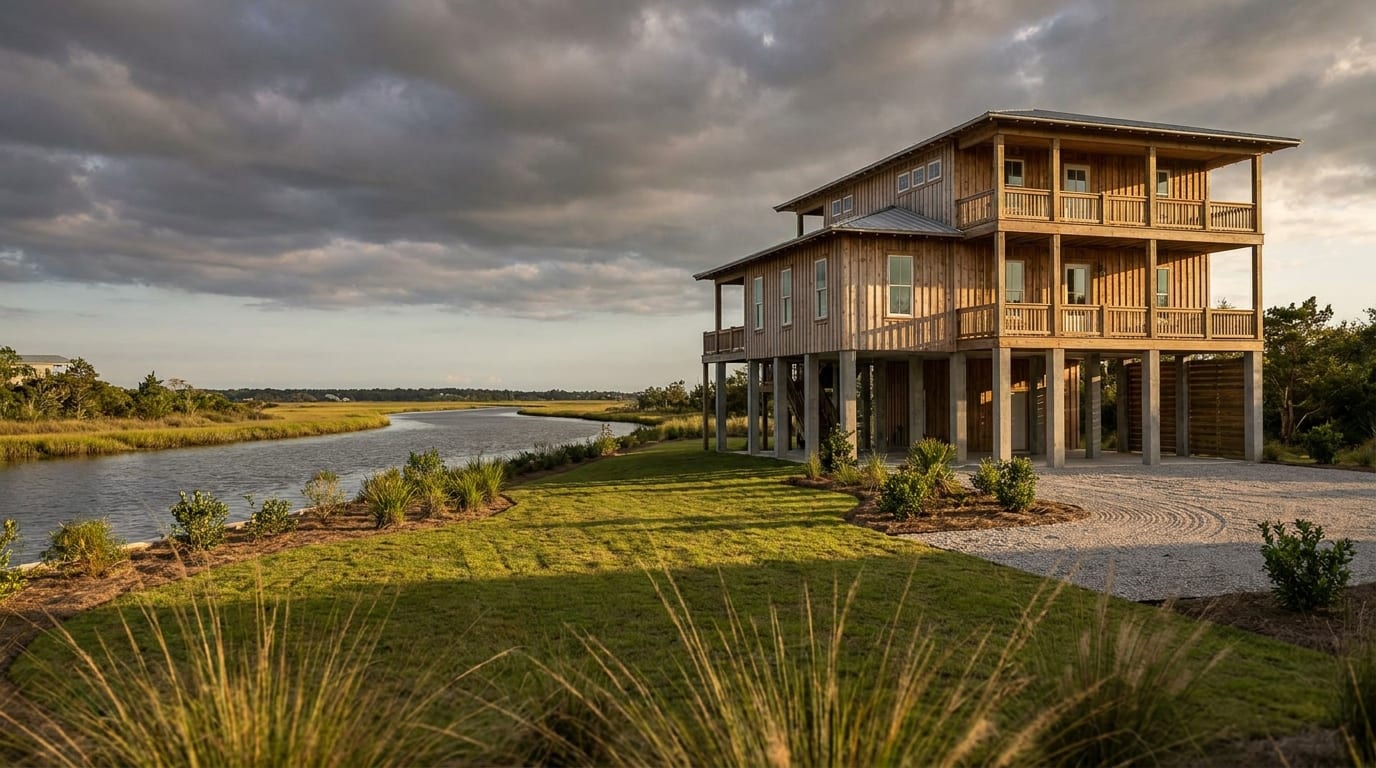
The federal flood insurance program has a deadline again. Under current law the National Flood Insurance Program is authorized until December 11, 2026, according to the Congressional Research Service, and the National Association of Realtors puts the cutoff at midnight that day. Congress has kept the program alive with short extensions since 2017, and it has not always made the date. This is the read for a Gulf Coast builder or trade: what stops, what keeps working, and what to do with the seven weeks left.
The story
The NFIP has not had a long-term reauthorization since its 2012 reform law ran out in 2017. Since then it has run on 36 short-term extensions, CRS counts, and several of them arrived late. The program lapsed from October 1 to November 12, 2025, during the government shutdown, and again from February 1 to February 3 this year. In most cases Congress reauthorized it retroactively. A Legis1 summary of the CRS report notes that CRS identifies no long-term reauthorization bill pending, so the realistic outcomes in December are another short extension or another gap.
Here is what a lapse does, per CRS. The authority to write new flood policies ends. Existing policies keep running to the end of their one-year term. Claims keep getting paid as long as premium money is coming in, and the program's Treasury borrowing limit drops from $30.425 billion to $1 billion. NAR adds the piece that matters at a closing table: during a lapse the NFIP "cannot issue new or renewal flood insurance policies," and a policy in force stays good to its expiration date plus a 30-day grace period.
The scale is why this lands hard here. CRS counts about 4.5 million NFIP policies nationwide, and Florida holds more than a third of them, according to the Insurance Information Institute's Mark Friedlander, speaking to WWSB in Sarasota. The last long lapse with a counted cost was June 2010, when estimates cited by CRS put canceled or delayed home closings at more than 1,400 a day, or over 40,000 a month.
A finished house in a flood zone, locked until someone can sell it a policy · Illustration: Florida Construction Media
What it means for you
Spec builders with houses in a flood zone. Federally regulated lenders have to require flood insurance on homes in a Special Flood Hazard Area. When the NFIP cannot write a policy, CRS says, borrowers in those areas have been unable to close, renew or increase loans until the program came back. The workaround a resale seller has, assigning their existing policy to the buyer, which NAR describes, does not exist on a house you just finished. There is no seller policy to hand over. Your buyer needs a new one, and during a lapse the federal program cannot sell it.
The lender is the swing vote. NAR says most federal regulators suspend the purchase requirement during a lapse and leave the decision to each lender. CRS says some lenders did exactly that last fall. Some is not all, and you do not want to learn which kind your buyer's lender is on December 12.
Remodelers and their clients. A homeowner financing a big coastal remodel with a refinance or a construction loan hits the same wall if the loan closes inside a lapse. A client whose flood policy renews in mid-December has the 30-day grace period NAR describes, but a renewal cannot be issued until the program is back. If your job also touches the FEMA 50% rule, that client is already juggling a flood conversation. Better they hear the timing from you.
Timing. December is when the snowbird buyer is back in town and shopping, and it follows a fall when mortgage rates hit 7.28%. Buyers who are already stretched do not need a closing that slips into January.
The play
- Pull your December closing list this week. Any house in a Special Flood Hazard Area with a closing date on or after December 11 goes on a separate sheet. Ask each buyer's lender, in writing, what it will do if the NFIP lapses.
- Get flood coverage bound early. Have buyers and refinancing clients work with their agent to put a policy in place before the deadline rather than the week of closing. NAR notes that private flood policies not backed by the NFIP are not affected by a lapse, and Florida has the deepest private flood market in the country, per the Insurance Information Institute. Get both quotes. Private coverage does not carry the NFIP's community discount, so it can cost more.
- Do not promise a date you do not control. Put a plain line in December contracts and schedules that closing depends on flood insurance being available. That is not lawyer advice; ask yours for the wording.
- Film the answer once. "What happens to my closing if flood insurance lapses?" is a question Google already suggests, and the pages answering it now are a federal report and Realtor FAQs. A two-minute short video from a builder standing in front of an elevated house, explaining what you are doing about it, is the only local voice in that result. Put it on the listing, send it to every December buyer, and add it to your FAQ library. Stellar Media Collective's free guides cover how to script one.
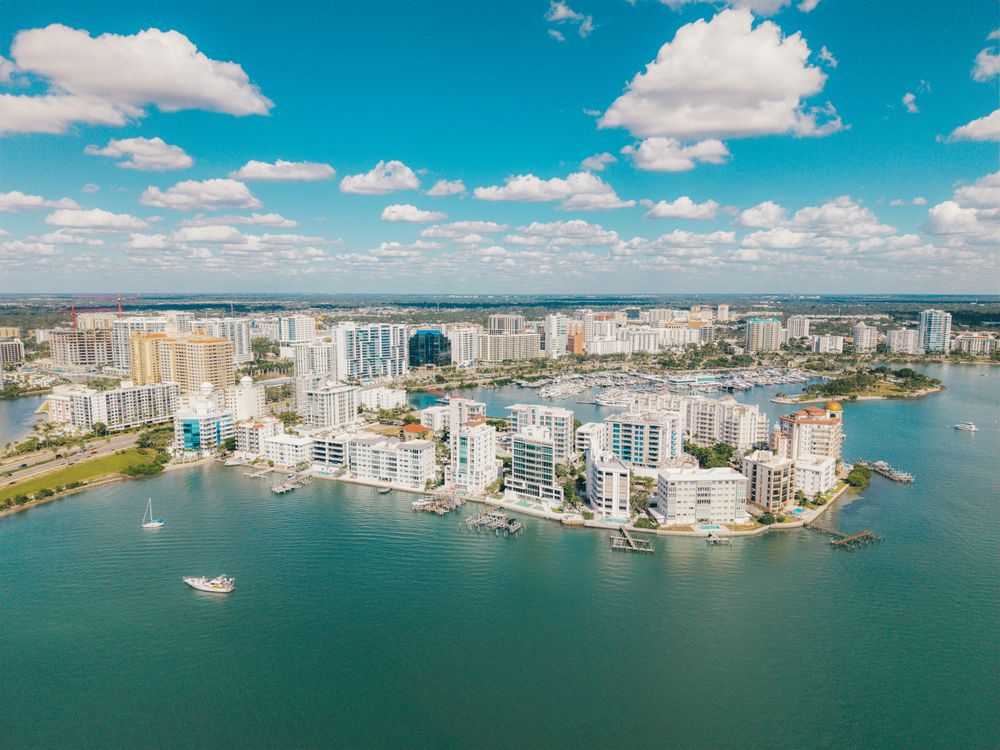
Waterfront property is where a lapse lands first · Sarasota Bay · Photo: Stellar Media Collective
What to watch
The date to circle is December 11. If Congress attaches another extension to a December spending bill, nothing changes except the next deadline. If it does not, every flood-zone closing that week becomes a lender-by-lender call. Either way, the builders who sorted their closing list in October will have spent an afternoon. The ones who did not will spend the holidays on the phone.
Facts checked October 22, 2026 against the Congressional Research Service, the National Association of Realtors and the sources linked above; Congress can change the deadline at any time. This is not legal or insurance advice. Disclosure: Florida Construction Media is owned by Stellar Media Collective, a Sarasota studio that builds video content systems for builders and trades.