Snowbird Timing: The Client Who Arrives in October Signs Your Contract in February
Florida's seasonal residents run on a calendar you can set your pipeline to — south in the fall, deciding by late winter, gone by spring. The builders who win their remodels aren't the ones marketing hardest in March. They're the ones the October arrival already found.
8 min read · July 15, 2026 · Florida Construction Media
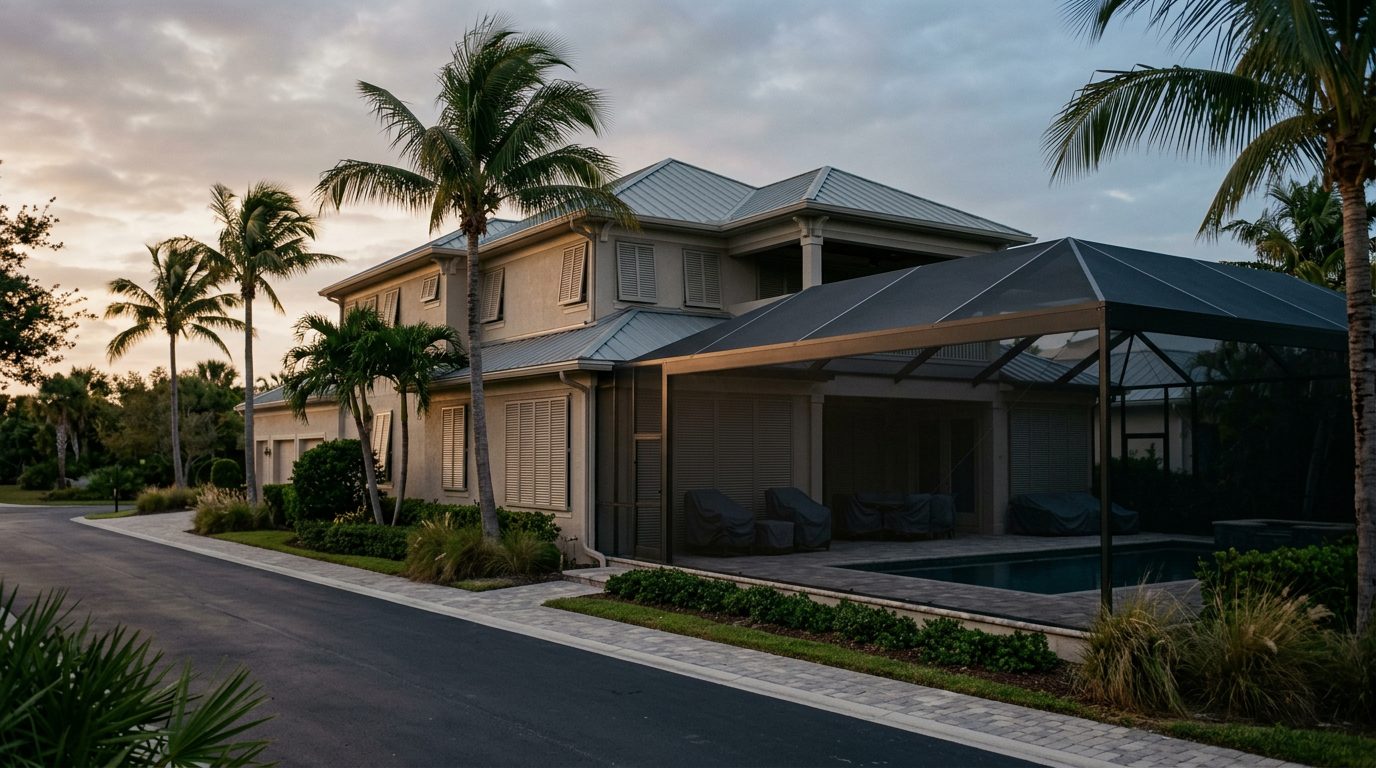
There's a rhythm to the Gulf Coast that every builder feels and few plan around. Sometime after the last hurricane advisory clears, the traffic thickens, the restaurant waits get long, and the driveways that sat empty all summer fill with cars wearing Ohio and Ontario plates. The season is here. And with it arrives the single most predictable buyer in the Florida remodel market: the seasonal resident who will spend the winter noticing everything wrong with the second home they love, and sign a contract to fix it before they fly north.
The trouble is that most builders market to that buyer in February — the exact moment they're deciding. That's too late to be discovered and just in time to be compared. The builder who wins the job is the one the snowbird already knew about in October, quietly researched over the holidays, and called in late winter because the trust was already built. Season is not when the selling happens. Season is when the buying happens. The selling has to be finished before they land.
A calendar you can set your pipeline to
Florida's seasonal population is large and its timing is remarkably consistent. Roughly a million part-year residents winter in the state, enough to lift Florida's population by about 5% at the peak, according to seasonal-population estimates compiled by Florida Smart. The largest wave arrives in December and January; the earliest arrivals come down in October and November, and departures run from late March into early May, per relocation-industry tracking summarized by RPM Moves. One older estimate put seasonal visitors' total economic contribution above $95 billion in a single year — a figure worth treating as directional rather than precise, but the direction is unmistakable.
For a builder, that calendar is not trivia. It's a schedule. A second-home owner who arrives in November lives with the dated kitchen, the tired lanai, the primary bath they've meant to redo for three winters — and this year they decide to do something about it. They talk to neighbors. They pull up builders on their phone from a lounge chair. By February they've chosen, because the math of the season demands it: sign now and the work can happen in the empty off-season, so the home is finished and fresh when they return next fall. Miss that window and the whole thing slides a full year.

The season as a schedule: arrive, research, decide · Illustration: Florida Construction Media
Why February is decided in October
Here's the part builders miss when they pour their whole budget into a season-long ad push. By the time a snowbird is comparing bids in February, the decision is mostly already made. The winter was the research phase, and research doesn't feel like shopping — it feels like a neighbor mentioning who did their pool cage, a name jotted on a napkin, a website looked at twice, a video watched on the lanai after dinner. The buyer wasn't ready to call in November. They were ready to notice. And what they noticed is what they'll act on in February.
That gap between noticing and acting is the whole game, and it's where most trade marketing fails, because it only speaks to the buyer who is ready to sign today. The larger, quieter group — the ones who aren't buying yet but will be — get nothing to notice. So when the season turns from arrival to decision, they call the two names they happened to absorb, and neither of them is you.
The fix isn't a bigger February. It's an earlier one. The content that wins a snowbird's February contract is published in late summer and early fall, before the plane lands — so that the first time a seasonal owner searches "kitchen remodel" from their new-old kitchen, you're already there, already proving you do this work well, already the name they'll bring up when the neighbor asks. Education-based marketing works this way in every industry, but it's especially unforgiving on a seasonal clock: the audience literally leaves. You either reached them while they were here, or you wait a year.
What the season actually rewards
A few specific plays fit the snowbird calendar in a way that generic "post more" advice never will.
Publish before the runway fills. Your best window to be found is the six weeks before the wave — roughly September into early November. That's when the early arrivals are settling in and the December crowd is already planning the winter from up north. A library of project stories, cost explainers, and "what a Gulf Coast remodel actually looks like" content, live and ranking before then, does the work while you sleep. Building it in January is building it for next year's snowbirds, not this year's.
Speak to the absent owner, because they're about to be one. The seasonal client's defining trait is that they're not here most of the year — and critically, the work you sign in February usually happens after they've flown north in April. That makes every snowbird job an absent-owner job, managed by video the way island builds already are. Say so in your marketing. "We build for owners who aren't in town, and here's exactly how we keep you in the loop" is not a logistics footnote to a snowbird. It's the reason they choose you over the builder who expects them to swing by the site on a Saturday they'll spend in Michigan.
Win the neighbor's referral before it's checked. The single strongest lead in a seasonal community is one snowbird telling another who they used. But that referral doesn't close itself anymore — the neighbor looks you up before they call, and a thin online presence quietly kills a warm introduction you never knew you had. Stellar's guide on the referral who looked you up is the mechanism in detail; the short version is that your proof has to survive the phone-in-hand check that now happens between "you should call them" and your phone ringing.
Spec box: the snowbird content calendar. (1) August–September — publish and refresh the core library: two or three real project stories, a "cost to remodel a Gulf Coast second home" explainer, and a short founder-on-camera piece on how you run jobs for out-of-town owners. (2) October–November — steady presence as arrivals settle: neighborhood-specific posts, before/after reels, answers to the questions a returning owner is asking. (3) December–January — proof and reassurance while they research: testimonials, walkthroughs, your remote-owner communication system named and shown. (4) February–March — the low-friction call to action for the deciding buyer, plus a fast, human response to every inquiry. (5) April onward — don't go dark; the client who left is still deciding, and the ones who signed are now watching their build from a thousand miles away.
Don't go quiet when the plates head north
The mistake at the other end of the season is treating April as the finish line. It isn't. Two audiences are still very much in play after the wave recedes.
The first is the owner who didn't quite decide before leaving. They're northbound but not resolved — still thinking about that kitchen, still receiving your email, still one good reason from booking the work for summer so it's done before they return. A humane follow-up sequence that reaches them through the spring is the difference between a job this year and a maybe next year. The second is the client who did sign, whose build now runs entirely while they're a time zone away. That's precisely the stretch where consistent progress video stops being marketing and becomes the contact that holds a client's confidence through the wait — the same discipline, aimed at someone watching their largest local asset take shape on a phone screen.
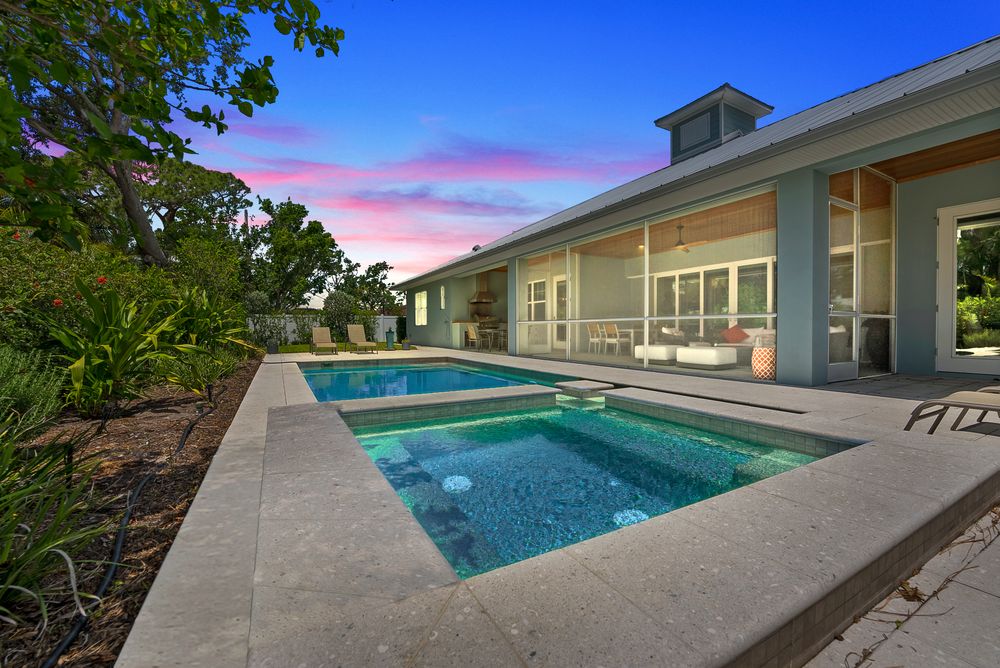
The second home they'll fly back to — finished in the off-season, filmed the whole way · Venice · Photo: Stellar Media Collective
Questions builders actually ask
Isn't season the time to spend the most on marketing, not the least? Season is when you spend on response — answering fast, showing proof, making the call easy. What doesn't work is starting your visibility from zero in January and hoping to be discovered before the deciding weeks close. Discovery is a fall project. If you only have budget for one push, put it before the runway fills, not during the scramble.
A lot of my seasonal clients are in condos and villas, not custom builds. Does this still apply? More so. Condo and villa owners lean toward lock-and-leave living and low-maintenance updates, which means shorter, more frequent projects and a faster decision cycle — exactly the buyer who researches from the lanai and signs before a spring flight. The content is the same idea scaled down: prove you do clean, respectful work in occupied seasonal communities, and make the association and access details part of the story.
How do I market to someone who isn't even in Florida yet? You don't chase them north — you make sure the work is done and findable so that when they search, you're the answer. Ranking content, a strong presence on the profile they'll check, and project stories that speak to their neighborhood do the reaching. The plane brings them to the content; the content doesn't have to travel.
What if I book out and can't take the February jobs anyway? Then the fall content is even more valuable, because it lets you fill the off-season — the empty summer months when snowbird homes sit vacant and available to work on. Marketing the "we do it while you're away" window turns your slow season into your build season and smooths the year. A seasonal town rewards the builder who works its calendar in reverse.
Published July 15, 2026. Seasonal timing, population figures, and arrival-departure patterns are drawn from public estimates cited above and vary year to year; verify current conditions for your market before planning around them. Disclosure: Florida Construction Media is published by Stellar Media Collective, Sarasota, which builds the kind of seasonal content systems described here for Gulf Coast builders.