The Objection Library: Film Answers to the Ten Pushbacks You Hear Every Week
You already know what makes a client hesitate — you hear the same ten pushbacks at every estimate table. The objection library films the honest answer once, so the doubt gets handled before the call instead of during it.
8 min read · July 10, 2026 · Florida Construction Media
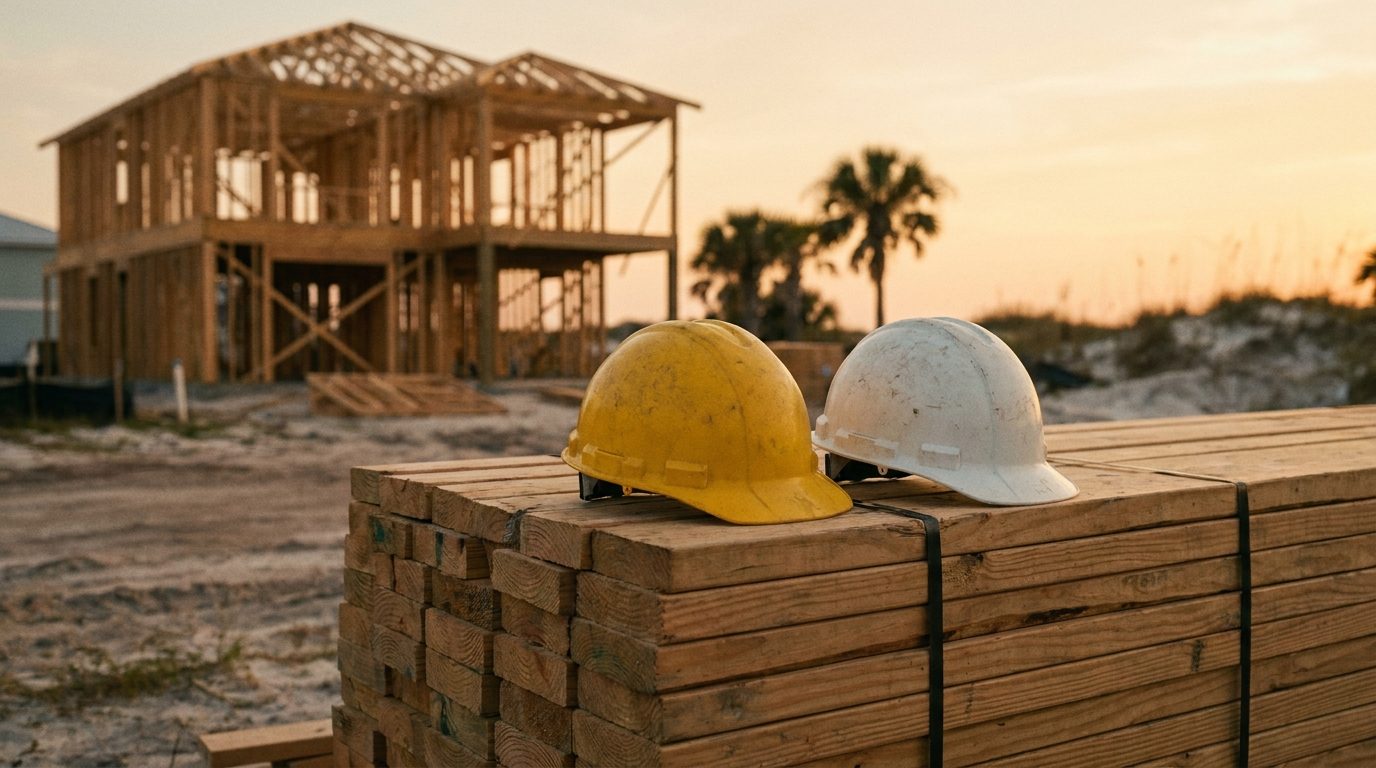
There's a difference between a question and an objection, and it's the difference between a client who's curious and a client who's scared. "How long does a kitchen remodel take" is a question. "How do I know you won't disappear halfway through with my deposit" is an objection — and it's the one that actually decides whether you get the job.
You already know the objections. You could recite them from the passenger seat on the drive home. There are about ten of them, and they don't change much from client to client or year to year. You're more expensive than the other bid. How do I know you'll finish on time. I've heard horror stories. Why can't you start next month. What happens when you open the wall and find rot. The list is short, it's predictable, and right now you're answering all of it live, one nervous client at a time, at the exact moment when you have the least leverage — across a table, after the number's already landed.
The objection library flips that. You film the honest answer to each pushback once, and you put it where the client meets the objection before they meet you. By the time they're at the table, the doubt has already been handled — calmly, on your job site, on your terms — instead of hanging in the air while they decide whether to believe your improvised reassurance.
Why the pre-call answer wins
The reason this works is that the hesitation isn't happening at the table anymore. It's happening weeks earlier, alone, on a phone. Homeowners now do more pre-contact evaluation than any previous generation of buyers — quietly comparing contractors, reading reviews, and forming an opinion long before they fill out a form or pick up the phone (improveit360's 2026 homeowner-behavior analysis). By the time someone calls you, four out of five have already picked a favorite; the call is often confirmation, not evaluation. And the vetting is thorough — 91% of consumers read local reviews and most won't consider a business under four stars, per BrightLocal's 2025 Local Consumer Review Survey.
So the objection you answer at the table is the last place that objection lives. It's been sitting in the client's head for weeks, quietly counting against you, while you had no idea it was there. A filmed answer reaches into that silent stretch and defuses the doubt while it's still soft — before it hardens into "I went with someone else and I'm not sure why."
This is just objection handling, the oldest discipline in sales, moved upstream. The good salesperson doesn't argue a client out of a concern; they name the fear underneath it and honor it out loud. "You're more expensive" is almost never about the number — it's fear of paying more and getting the same, or less. Film ninety seconds of you explaining, on a real job site, exactly what the extra cost buys — the licensed subs, the daily cleanup, the change-order process that means no surprise invoices — and you haven't defended your price. You've answered the fear.
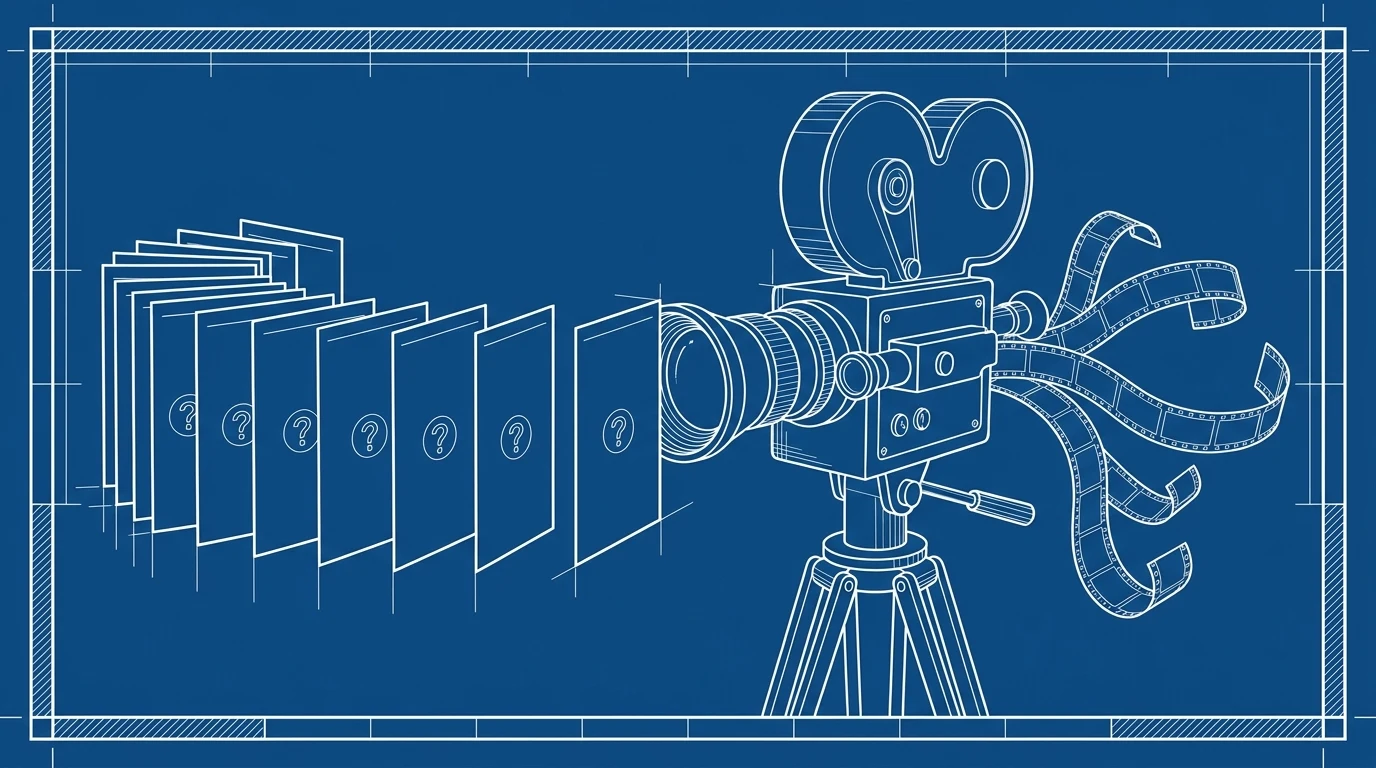
Ten pushbacks, filmed once, aimed at the moment each one shows up · Illustration: Florida Construction Media
Mine the ten, honor the fear
Start by writing the ten down the way a client actually says them, not the way you'd like to hear them. "Your bid is high" — not "value differentiation." "Contractors always run over" — not "timeline concerns." The raw phrasing matters, because you're going to answer the objection in the client's own words, and a homeowner searching why are custom builders so expensive in Sarasota needs to feel understood in the first three seconds, not corrected.
Then, next to each one, write the fear underneath it. This is the part builders skip, and it's the whole game. "I've heard horror stories" isn't about horror stories — it's fear of being abandoned mid-project, of a hole in the house and a contractor who won't return calls. The answer to that fear isn't "I'm reliable." It's proof: a client who'll say on camera that you finished when you said you would, a written completion guarantee, a walkthrough of a job you carried across the finish line. The pushbacks that are really about risk get answered with proof and guarantees, not promises — which is exactly the risk-reversal menu a builder should have built anyway, now filmed and pointed at the doubt it retires.
Some objections you answer with your own face; some you answer with someone else's. Price and process are yours to explain. Trust and quality are more convincing coming from a past client — which is why the testimonial system and the objection library feed each other. Every honest testimonial you film is an objection answered by the one person a prospect believes more than you.
Spec box: the one-objection video, built to a fixed shape so it stays a batch job and not a debate. (1) Length: 60 to 90 seconds — one objection, one honest answer, no windup. (2) First words: the objection itself, said plainly and without defensiveness — "A lot of people tell me our bid comes in higher. Here's what that difference actually pays for." (3) Validate before you answer — name the fear as reasonable, because a client who feels argued with stops listening. (4) Answer with proof, not adjectives — a number, a process, a guarantee, a past client, the actual work behind you. (5) End with the next honest step, never a hard close — "If that's the kind of build you want, that's the conversation to have." One camera position, filmed in front of the work the objection is about. The restraint is the point; it's what keeps ten of these from becoming ten productions.
Aim each one where the objection lives
A pile of clips isn't a system. What makes the objection library work is placement — sending the right answer to the exact moment the doubt appears. The price video belongs on your pricing or estimate page, and in the email that follows a quote, so the objection is met the moment the number lands. The "how do I know you'll finish" video belongs in post-estimate follow-up — instead of a seventh "just checking in," you send the ninety seconds that answers the specific hesitation you heard in the room. The "can I trust your crew in my house" video belongs on the page a client reads late at night, when nobody's there to reassure them.
This is where the objection library and the FAQ library part ways. The FAQ library answers curiosity — the neutral, informational questions that pull strangers in from search. The objection library answers resistance — the loaded pushbacks that decide a sale already in motion. You film them the same way, on the same batch morning, but you aim them differently: FAQs face the market, objection answers face the specific person about to sign or walk. Run both and you've covered the two halves of the job — getting found, and getting chosen.
The table where the last objection gets answered — or should have been answered weeks earlier · Sarasota · Photo: Stellar Media Collective
Questions builders actually ask
Doesn't putting objections on camera plant doubts that weren't there? It's the reverse. The doubt is already there — you didn't create "you're too expensive," the market did, and it's counting against you whether or not you address it. Naming an objection and answering it honestly is what candor looks like, and candor is disarming. The builder who says "yes, we cost more, here's exactly why" reads as more trustworthy than the one who acts as if the question is offensive. Silence doesn't make an objection disappear; it just hands the answer to your competitor.
What if my honest answer to an objection is weak? Then you've found something worth more than a video. If you can't answer "how do I know you'll finish on time" with proof, the problem isn't the marketing — it's that you don't yet have the guarantee, the process, or the track record to point to. Filming the objection library surfaces exactly which of your reassurances are real and which are just things you say. Fix the weak answer in the business first; the video follows.
How is this different from just handling objections in the sales call like I always have? Timing and leverage. In the call, you're answering under pressure, improvising, and the client is watching you sweat. On film, you answer once, calmly, at your best, on your own job site — and it works while you're building, reaching people you'll never get a call from because the objection killed the call before it happened. It doesn't replace the sales conversation. It gets you into a better one, with the easy doubts already retired so the call can be about scope and start dates instead of trust.
Ten videos about pushback sounds negative for a brand. It's only negative if you film it negative. Done right, an objection answer is the most confident thing a builder can publish — proof you've heard the hard question a hundred times and have a straight answer ready. The tone isn't defensive; it's the calm of someone who's done this before. That confidence is the actual product a nervous six-figure client is buying, and there's no better place to show it than in the moment they're most afraid.
Method reflects our production practice as of July 2026; the buyer-behavior and review figures cited are from third-party 2025–2026 analyses linked above and will drift. Disclosure: this publication is owned by Stellar Media Collective, a Sarasota studio that builds objection and FAQ libraries for premium trades — more on the approach in our resources guides. The system works whether you film it yourself or hire anyone to help.