The Quietest Hurricane Season Since 1914 Is Ending This Week. Here Is What It Already Did to Your Pipeline
Eight named storms, zero hurricanes through the first week of October, and now Isaias spinning up in the Gulf toward the Panhandle. The read for a Gulf Coast hardening contractor, roofer or builder: the fear pitch is gone, the money that pays for hardening sits in paperwork, and this week is a watch window, not a sales window.
5 min read · October 7, 2026 · Florida Construction Media
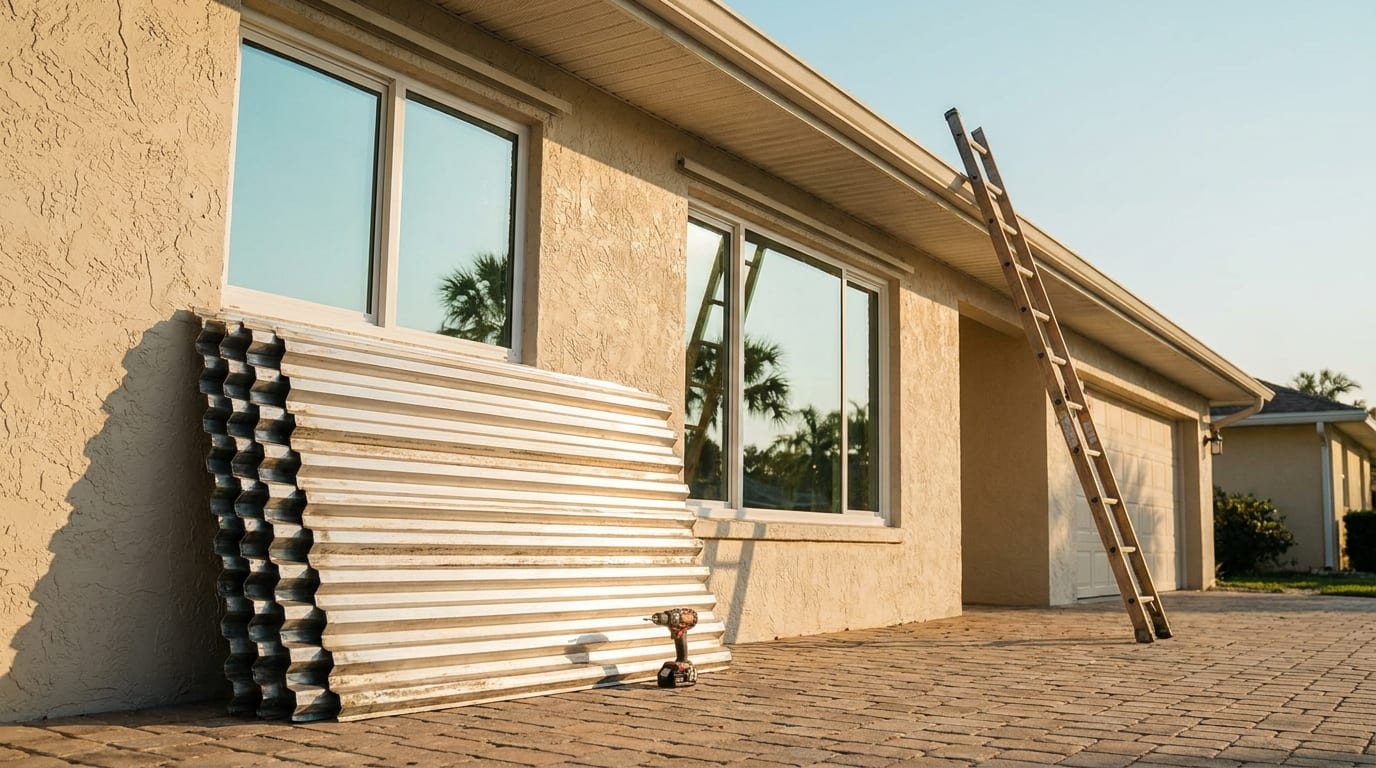
Every hardening contractor on the Gulf Coast planned 2026 around a season that never showed up. The storm panels stayed stacked, the roofers' phones rang at an off-season pace in September, and the homeowner who was supposed to call in a panic in August is instead opening a renewal notice that came in lower than last year's. That is the real story of this season for the trades, and it was true before the Gulf finally produced a storm this week.
The story
Through the first week of October the Atlantic had produced eight named storms and not one hurricane, which has never happened in the satellite era. The previous record for the latest first hurricane was September 11, set in 2002 and matched in 2013; the pre-satellite mark is October 8, 1905, and only 1907 and 1914 finished with no hurricane at all. The cause is not mysterious. A strong El Niño has thrown wind shear across the Atlantic all summer, and storms that formed could not organize.
That streak is ending as this is written. At 4 a.m. Wednesday the National Hurricane Center upgraded a Gulf depression to Tropical Storm Isaias and forecast it to strengthen rapidly. Yale Climate Connections reports the official forecast brings it to the central Gulf Coast Friday night at hurricane strength, with the risk area running from southeast Louisiana to the Florida Panhandle, over Gulf water that is the warmest on record for this point in October. For Sarasota and Tampa Bay the current forecasts make this a rain and surf story. For anyone with crews, clients or family at the other end of the state, it is a watch window, and the watch-window rules in our season calendar apply in full: service information only, no promotions, and the forecast belongs to the Hurricane Center, not your feed.
The one-sentence version for a contractor: the season that was supposed to sell hardening for you did not arrive, and the first storm that did is aimed somewhere else.
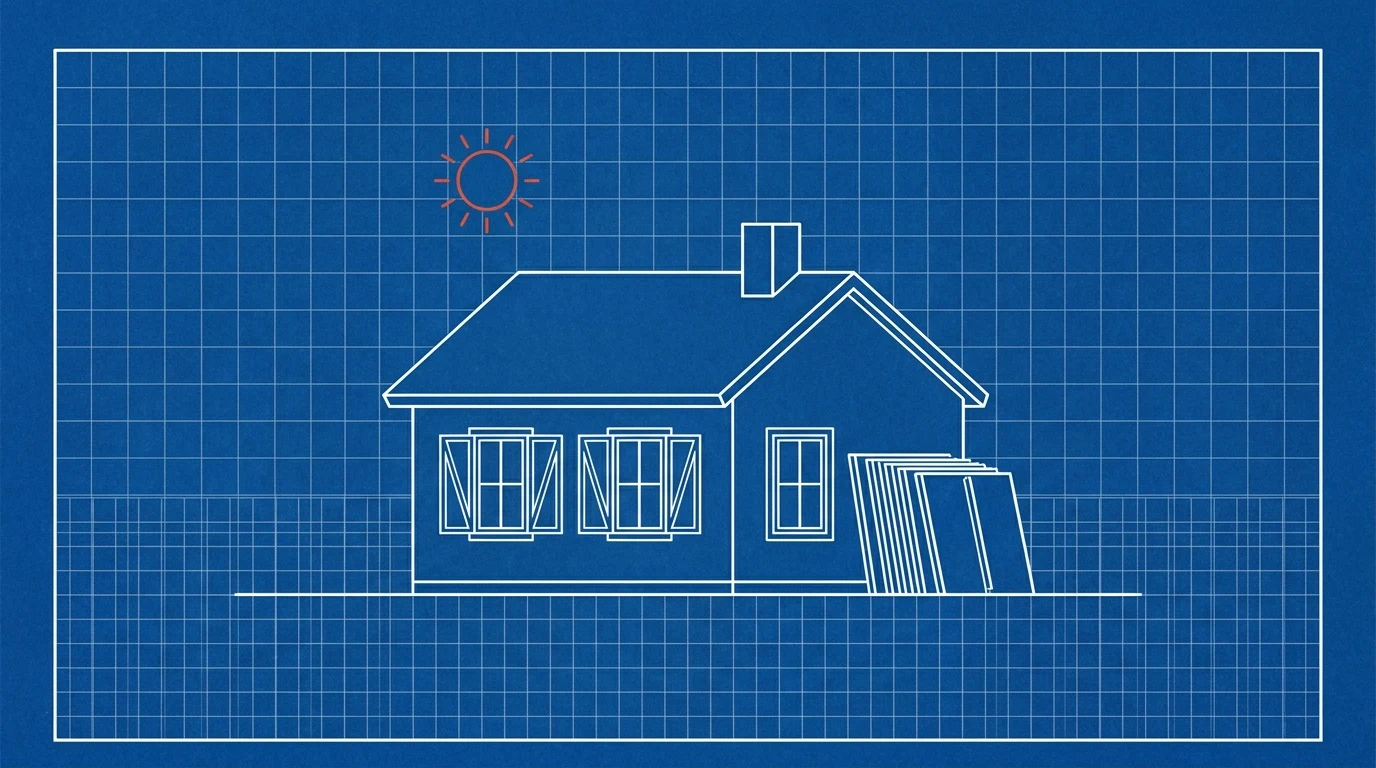
The untested house: shutters open, panels stacked, nothing on the map · Illustration: Florida Construction Media
What it means for you
The fear pitch is gone, and the renewal notice proves it. Citizens approved statewide 2026 decreases averaging 8.8% for multiperil homeowners policies and 5.5% for wind-only, effective at renewal, and its policy count has fallen to about 336,000, 76% below the October 2023 peak. Behind that, Florida carriers bought their reinsurance this June at prices Guy Carpenter put 15% to 20% lower, after a 2025 with no landfalling tropical storm in the state, a 77% combined ratio and surplus up about 45%. A second calm year on the Sarasota-Tampa corridor pushes the same direction. So the homeowner you meet this fall has a cheaper bill and no wind in recent memory, and "your premium is killing you" gets argued with. What does not get argued with: the deductible, the age of the glass, and the five-year cycle on the mitigation form, all laid out in the four-clock piece on hardening.
The money that pays for hardening sits in paperwork, not weather. My Safe Florida Home went into this season with roughly $280 million undistributed from last year and no new money from the Legislature, grants that top out at $10,000, and a three-year record of some 40,000 homeowners and about $380 million. The program's history is that application windows open and close fast and homeowners find the process confusing. In a year without a storm to remind anyone, the contractor who tracks the program is the reason a homeowner hears about it at all.
The memory tax did not expire. The 2022–2025 storm cycle taught Gulf Coast homeowners to verify a contractor before they call, and one quiet year does not unteach that. What a quiet year does change is the noise. With no landfall there is no imported workforce, no magnetic signs, no fraud arrests on the evening news, which means your license-in-the-frame and shop-and-crew content is competing with nobody. That is the cheapest attention a roofer will get all decade, and the year-round roofer playbook is built for exactly this stretch.
The October row of the calendar assumed a fresh season. Our calendar's October-to-November entry leans on recovery stories and interest in hardening "while the season is fresh." This year nothing is fresh. The hook has to change from "remember September" to "nothing came, and that is the moment to do the work," which happens to be the truest thing anyone in this trade can say.
A coastal house that went untested this year · Venice · Photo: Stellar Media Collective
The play
This week. If you work the Panhandle or have crews there, you are in the watch window: hours, site-securing updates, pointers to your own prep videos and to the Hurricane Center. Everyone else on the Gulf Coast should pause storm-themed promotion through the weekend anyway. A hardening ad running while a hurricane watch is up for another part of Florida reads the same to a homeowner as one running during your own.
Next week through November 30. Film the quiet-year piece. Owner on camera, in plain words: the year nothing came, what that does and does not mean for a house with original glass or a roof from the last decade, and what you would harden first. Then rewrite the back half of the calendar. Swap the recovery stories for untested-house explainers: how old the windows are, when the last mitigation inspection was, what a grant actually buys, and what a lower renewal does not change. Educate on how the programs work and name who answers the homeowner's specific question; promise nothing about approvals, premiums or refunds.
The capacity pitch. A fall with no storm means crews with open weeks and custom units with short lead times. Say so. The homeowner who signs in October this year gets a calm install and a schedule that holds, and no competitor is telling them that because every competitor planned for a different season.
The long game. The 2026 season is not evidence that the next one will be quiet. It is evidence that the homeowners who buy on panic are a shrinking share of the market, and that the ones who buy on proof and plain explanation are the business. Stellar's free resource guides cover the trust signals that audience checks; the calendar and the four-clock piece above cover when to publish them. None of it requires a storm.
Published October 7, 2026 by Stellar Media Collective, a Sarasota studio that films year-round content systems for Gulf Coast builders and hardening contractors. Storm counts, forecasts and the Isaias advisory reflect the National Hurricane Center and the sources linked above as of the morning of October 7; the forecast will change, and the Hurricane Center, not this article, is where to read it. Insurance, reinsurance and grant figures are as published by the sources cited and change often; verify before putting any of them in your marketing.